
 WikiCards
 Play on iPhone nowFree in Safari. Add it to your Home Screen.Play
WikiCards · Card list · Science cards · Magnesium
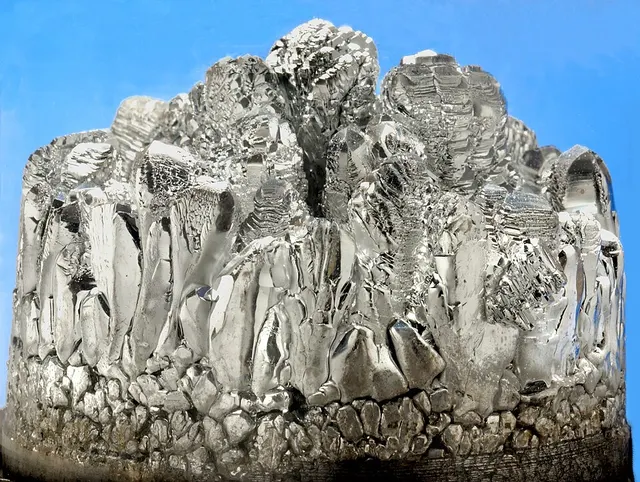
Rare card · Science
Magnesium, a Rare card
Magnesium is a chemical element, it has symbol Mg and atomic number 12.
- Rarity
- Rare
- Domain
- Science
- ATK
- 83
- DEF
- 98
- Power
- 181
- Wikipedia reads a year
- 330,000
Power 181 (ATK + DEF): stronger than 90 % of WikiCards cards.
The facts on the card
The card carries these facts from its Wikipedia article.
- It is a shiny gray metal having a low density, low melting point, and high chemical reactivity.
- Like the other alkaline earth metals, it occurs naturally only in combination with other elements and almost always has an oxidation state of +2.
- It reacts readily with air to form a thin passivation coating of magnesium oxide that inhibits further corrosion of the metal.
Why it is Rare
Rarity in WikiCards follows a year of Wikipedia page views: the most read articles become Epic and Legendary cards. The Magnesium article was read about 330,000 times in a year. ATK comes from the length of the article and DEF from its quality, so this card hits with 83 and blocks with 98: each hit it takes is cut by 39 %.
How to get Magnesium
Open packs. Each pack holds five cards drawn from real Wikipedia articles, the rarest last, and the fifth card is always Rare or better. The odds are shown in the game. A free pack arrives every hour and two can wait, and the Coins you win in duels buy more packs.
More Science cards
Cards close in power
The cards just above and just below Magnesium in the power ranking, all domains together.
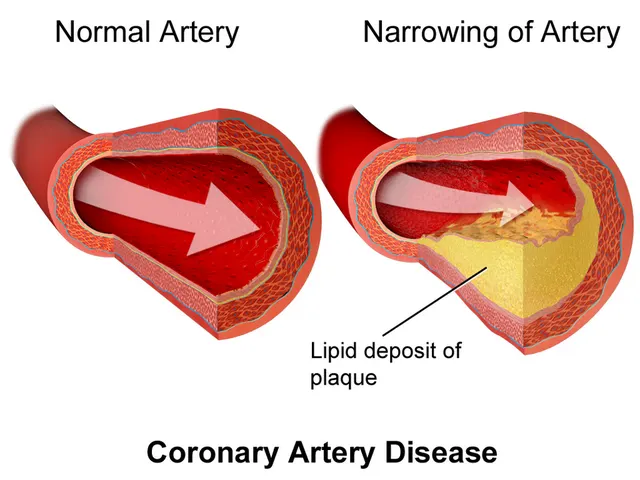
- Coronary artery diseaseRare · Science · ATK 86 DEF 95
- Honoré de BalzacRare · Arts · ATK 81 DEF 100
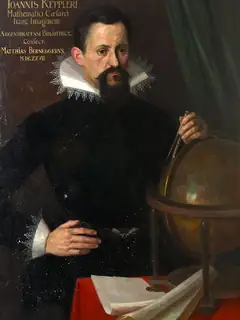
- Johannes KeplerRare · Science · ATK 88 DEF 93
- EucalyptusRare · Nature · ATK 88 DEF 93
- John MuirRare · History · ATK 86 DEF 95
- AphidRare · Nature · ATK 87 DEF 94
Card lists
- Wikipedia quizNew questions every day
- All cards from A to ZEvery card, by name
- Science cards
- Legendary cards
- Tier listS and A tiers by power (ATK + DEF)
Credits
Text : Wikipedia, Magnesium (revision), CC BY-SA 4.0. Photo : Mark Fergus, CSIRO, CC BY 3.0, Wikimedia Commons.
