
 WikiCards
 Play on iPhone nowFree in Safari. Add it to your Home Screen.Play
WikiCards · Card list · Science cards · Heckscher–Ohlin theorem
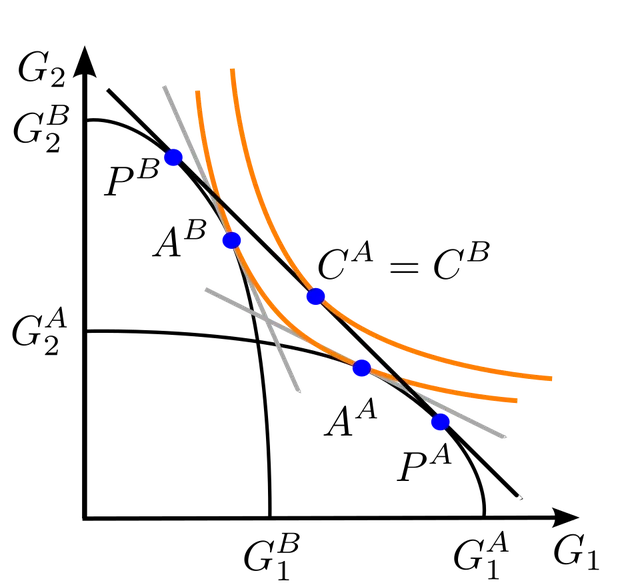
Common card · Science
Heckscher–Ohlin theorem, a Common card
The Heckscher–Ohlin theorem is one of the four critical theorems of the Heckscher–Ohlin model, developed by Swedish economist Eli Heckscher and Bertil Ohlin.
- Rarity
- Common
- Domain
- Science
- ATK
- 44
- DEF
- 15
- Power
- 59
- Wikipedia reads a year
- 4,200
Power 59 (ATK + DEF): stronger than 5 % of WikiCards cards.
Heckscher–Ohlin theorem quiz: 3 questions
Three questions on the Heckscher–Ohlin theorem card, the way WikiCards duels ask them. Pick an answer, the facts are just below.
Find the missing word
This also implies that the ______ preferences are the same.
Answer
aggregate. This also implies that the aggregate preferences are the same. From the Heckscher–Ohlin theorem article on Wikipedia.
Which of these cards hits hardest (highest ATK)?
Answer
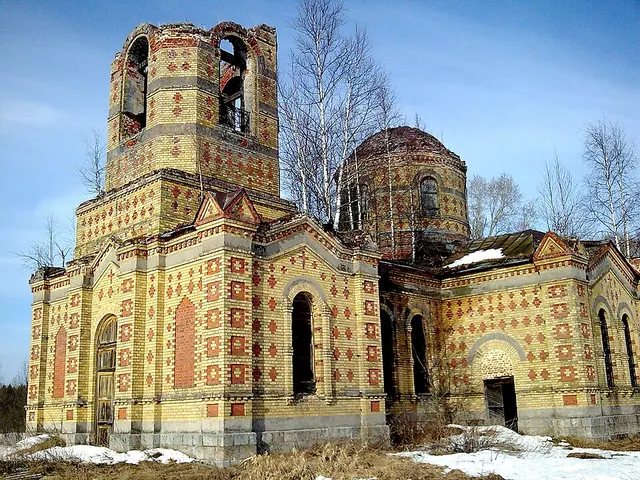
Sa'ar 62-class offshore patrol vessel. Sa'ar 62-class offshore patrol vessel 53 · Heckscher–Ohlin theorem 44 · 3.6m Devasthal Optical Telescope 39 · Filisovo, Ust-Kubinsky District, Vologda Oblast 36 ATK in WikiCards.
Which of these Wikipedia articles is read the most in a year?
Answer
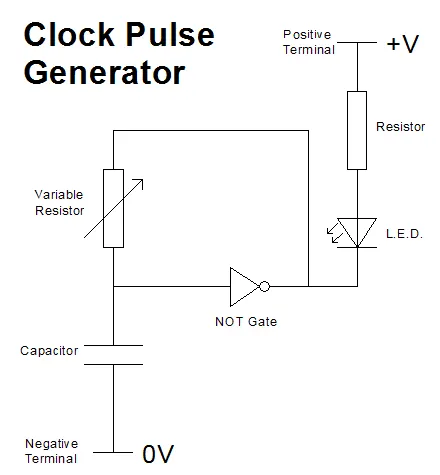
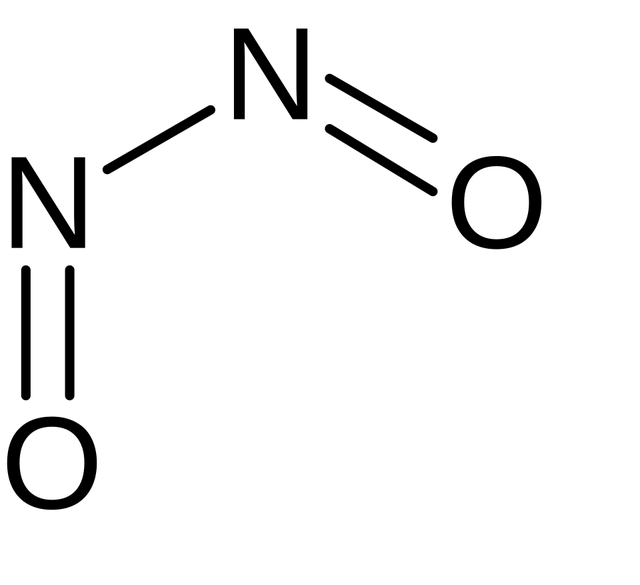
Clock generator. Clock generator 13,000 · Dinitrogen dioxide 6,200 · Heckscher–Ohlin theorem 4,200 · Filisovo, Ust-Kubinsky District, Vologda Oblast 150 Wikipedia reads over a year.
In a duel, each round asks a question like these about the opposing card, with 15 seconds to answer.
The facts on the card
The card carries these facts from its Wikipedia article.
- In the two-factor case, it states: "A capital-abundant country will export the capital-intensive good, while the labor-abundant country will export the labor-intensive good." The critical assumption of the Heckscher–Ohlin model is that the two countries are identical, except for the difference in resource endowments.
- This also implies that the aggregate preferences are the same.
- The relative abundance in capital will cause the capital-abundant country to produce the capital-intensive good cheaper than the labor-abundant country and vice versa.
Why it is Common
Rarity in WikiCards follows a year of Wikipedia page views: the most read articles become Epic and Legendary cards. The Heckscher–Ohlin theorem article was read about 4,200 times in a year. ATK comes from the length of the article and DEF from its quality, so this card hits with 44 and blocks with 15: each hit it takes is cut by 6 %.
How to get Heckscher–Ohlin theorem
Open packs. Each pack holds five cards drawn from real Wikipedia articles, the rarest last, and the fifth card is always Rare or better. The odds are shown in the game. A free pack arrives every hour and two can wait, and the Coins you win in duels buy more packs.
More Science cards


Cards close in power
The cards just above and just below Heckscher–Ohlin theorem in the power ranking, all domains together.
- Kingdom of KibiCommon · History · ATK 40 DEF 19
- Polyphylla crinitaCommon · Nature · ATK 38 DEF 21
- Taipei BasinCommon · Nature · ATK 36 DEF 23
- TV SenadoCommon · History · ATK 43 DEF 16
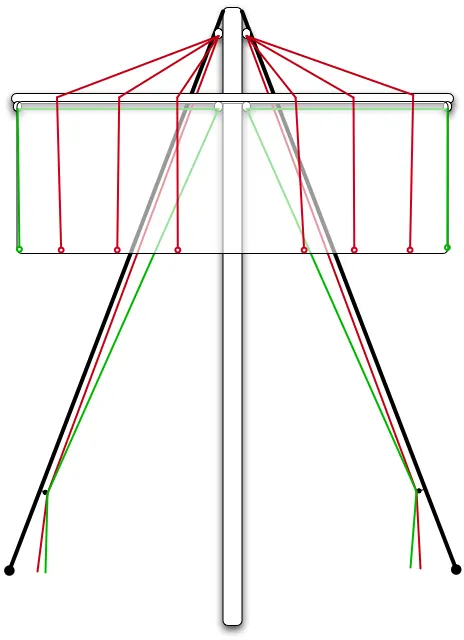
- Clewlines and buntlinesCommon · Science · ATK 45 DEF 14
- Scottish Senior Citizens Unity PartyCommon · History · ATK 45 DEF 14
Card lists
- Wikipedia quizNew questions every day
- All cards from A to ZEvery card, by name
- Science cards
- Legendary cards
- Tier listS and A tiers by power (ATK + DEF)
Credits
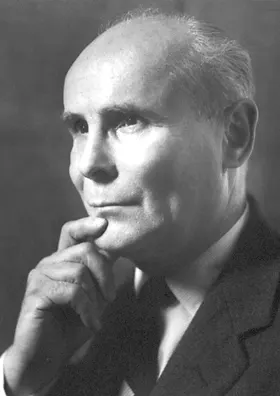
Text : Wikipedia, Heckscher–Ohlin theorem (revision), CC BY-SA 4.0. Photo : WissensDürster, CC BY-SA 4.0, Wikimedia Commons.
