
 WikiCards
 Play on iPhone nowFree in Safari. Add it to your Home Screen.Play
WikiCards · Card list · Science cards · Dynamic programming
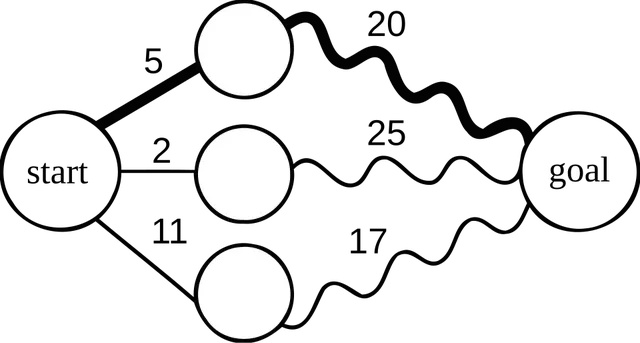
Uncommon card · Science
Dynamic programming, an Uncommon card
Dynamic programming is both a mathematical optimization method and an algorithmic paradigm.
- Rarity
- Uncommon
- Domain
- Science
- ATK
- 79
- DEF
- 55
- Power
- 134
- Wikipedia reads a year
- 170,000
Power 134 (ATK + DEF): stronger than 65 % of WikiCards cards.
Dynamic programming quiz: 3 questions
Three questions on the Dynamic programming card, the way WikiCards duels ask them. Pick an answer, the facts are just below.
Find the missing word
In both contexts, it refers to simplifying a ______ problem by breaking it down into simpler sub-problems in a recursive manner.
Answer
complicated. In both contexts, it refers to simplifying a complicated problem by breaking it down into simpler sub-problems in a recursive manner. From the Dynamic programming article on Wikipedia.
In which decade?
The method was developed by Richard Bellman in the ____s and has found applications in numerous fields, such as aerospace engineering and economics.
Answer
1950s. The method was developed by Richard Bellman in the 1950s and has found applications in numerous fields, such as aerospace engineering and economics. From the Dynamic programming article on Wikipedia.
Which of these cards hits hardest (highest ATK)?
Answer
Dynamic programming. Dynamic programming 79 · Rovshan Abdullaoglu 72 · Covalent bond 69 · Spinach 64 ATK in WikiCards.
In a duel, each round asks a question like these about the opposing card, with 15 seconds to answer.
The facts on the card
The card carries these facts from its Wikipedia article.
- The method was developed by Richard Bellman in the 1950s and has found applications in numerous fields, such as aerospace engineering and economics.
- In both contexts, it refers to simplifying a complicated problem by breaking it down into simpler sub-problems in a recursive manner.
- While some decision problems cannot be taken apart this way, decisions that span several points in time do often break apart recursively.
Why it is Uncommon
Rarity in WikiCards follows a year of Wikipedia page views: the most read articles become Epic and Legendary cards. The Dynamic programming article was read about 170,000 times in a year. ATK comes from the length of the article and DEF from its quality, so this card hits with 79 and blocks with 55: each hit it takes is cut by 22 %.
How to get Dynamic programming
Open packs. Each pack holds five cards drawn from real Wikipedia articles, the rarest last, and the fifth card is always Rare or better. The odds are shown in the game. A free pack arrives every hour and two can wait, and the Coins you win in duels buy more packs.
More Science cards


Cards close in power
The cards just above and just below Dynamic programming in the power ranking, all domains together.
- TitRare · Nature · ATK 68 DEF 66
- SpinachUncommon · Nature · ATK 64 DEF 70
- Charles AddamsUncommon · Arts · ATK 69 DEF 65
- PanentheismUncommon · Society · ATK 75 DEF 59
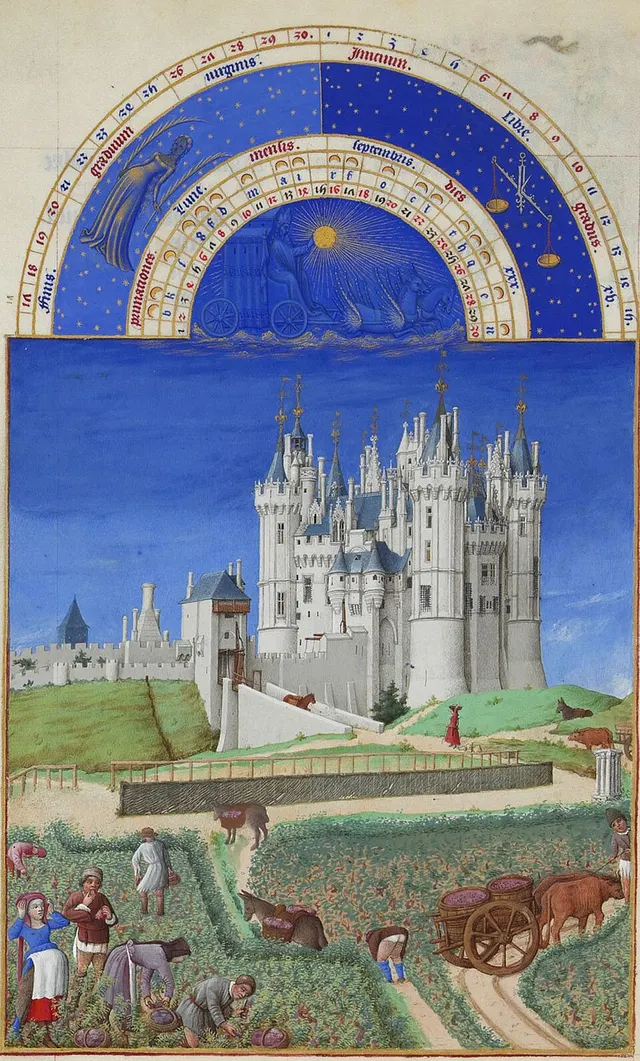
- CathedralUncommon · Arts · ATK 78 DEF 56
- Duchy of BurgundyUncommon · History · ATK 75 DEF 59
Card lists
- Wikipedia quizNew questions every day
- All cards from A to ZEvery card, by name
- Science cards
- Legendary cards
- Tier listS and A tiers by power (ATK + DEF)
Credits
Text : Wikipedia, Dynamic programming (revision), CC BY-SA 4.0. Photo : User:Dcoetzee, CC0, Wikimedia Commons.
