
 WikiCards
 Play on iPhone nowFree in Safari. Add it to your Home Screen.Play
WikiCards · Card list · Science cards · Correlation does not imply causation
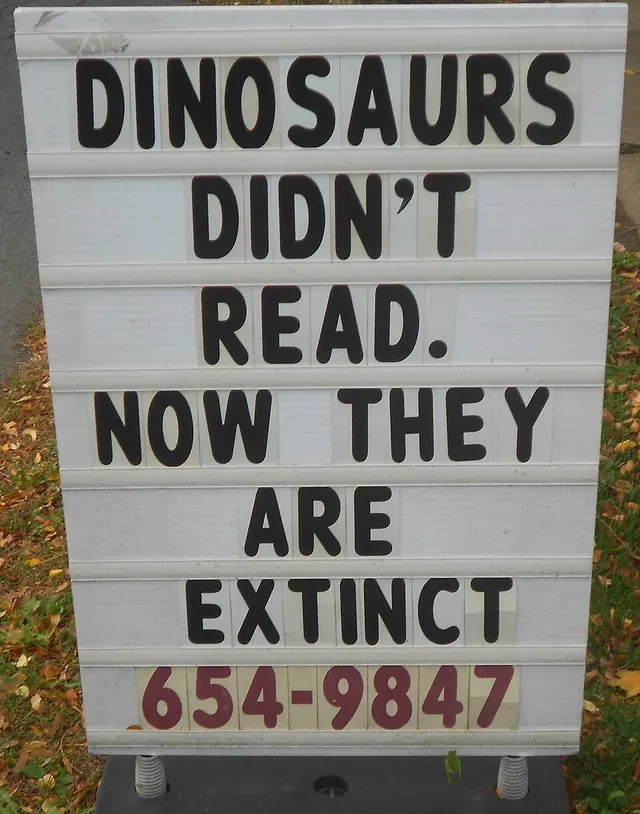
Uncommon card · Science
Correlation does not imply causation, an Uncommon card
The phrase "correlation does not imply causation" refers to the inability to legitimately deduce a cause-and-effect relationship between two events or variables solely on the basis of an observed association or correlation between them.
- Rarity
- Uncommon
- Domain
- Science
- ATK
- 69
- DEF
- 48
- Power
- 117
- Wikipedia reads a year
- 130,000
Power 117 (ATK + DEF): stronger than 65 % of WikiCards cards.
Correlation does not imply causation quiz: 3 questions
Three questions on the Correlation does not imply causation card, the way WikiCards duels ask them. Pick an answer, the facts are just below.
Find the missing word
This fallacy is also known by the Latin phrase cum hoc ergo ______ hoc.
Answer
propter. This fallacy is also known by the Latin phrase cum hoc ergo propter hoc. From the Correlation does not imply causation article on Wikipedia.
Which of these cards hits hardest (highest ATK)?
Answer
Gaussian quadrature. Gaussian quadrature 74 · Correlation does not imply causation 69 · Caesar cipher 64 · IDEF4 61 ATK in WikiCards.
Which of these Wikipedia articles is read the most in a year?
Answer
Caesar cipher. Caesar cipher 320,000 · System 190,000 · Correlation does not imply causation 130,000 · IDEF4 860 Wikipedia reads over a year.
In a duel, each round asks a question like these about the opposing card, with 15 seconds to answer.
The facts on the card
The card carries these facts from its Wikipedia article.
- The idea that "correlation implies causation" is an example of a questionable-cause logical fallacy, in which two events occurring together are taken to have established a cause-and-effect relationship.
- This fallacy is also known by the Latin phrase cum hoc ergo propter hoc.
- This differs from the fallacy known as post hoc ergo propter hoc, in which an event following another is seen as a necessary consequence of the former event, and from conflation, the errant merging of two events, ideas, databases, etc., into one.
Why it is Uncommon
Rarity in WikiCards follows a year of Wikipedia page views: the most read articles become Epic and Legendary cards. The Correlation does not imply causation article was read about 130,000 times in a year. ATK comes from the length of the article and DEF from its quality, so this card hits with 69 and blocks with 48: each hit it takes is cut by 19 %.
How to get Correlation does not imply causation
Open packs. Each pack holds five cards drawn from real Wikipedia articles, the rarest last, and the fifth card is always Rare or better. The odds are shown in the game. A free pack arrives every hour and two can wait, and the Coins you win in duels buy more packs.
More Science cards

Cards close in power
The cards just above and just below Correlation does not imply causation in the power ranking, all domains together.
- BratwurstUncommon · Society · ATK 65 DEF 52
- CucurbitaceaeUncommon · Nature · ATK 70 DEF 47
- Great man theoryUncommon · History · ATK 65 DEF 52
- Imaginary unitUncommon · Science · ATK 69 DEF 48
- Tropic of CapricornUncommon · Society · ATK 65 DEF 52
- Battle of AnkaraUncommon · History · ATK 62 DEF 55
Card lists
- Wikipedia quizNew questions every day
- All cards from A to ZEvery card, by name
- Science cards
- Legendary cards
- Tier listS and A tiers by power (ATK + DEF)
Credits
Text : Wikipedia, Correlation does not imply causation (revision), CC BY-SA 4.0. Photo : Smallbones, CC0, Wikimedia Commons.
