
 WikiCards
 Play on iPhone nowFree in Safari. Add it to your Home Screen.Play
WikiCards · Card list · Science cards · Alexander Luria
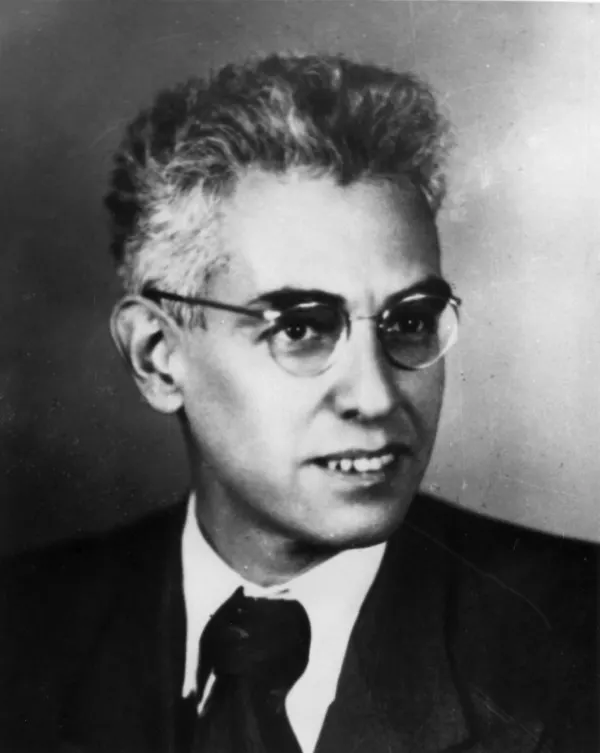
Uncommon card · Science
Alexander Luria, an Uncommon card
Alexander Romanovich Luria was a Soviet neuropsychologist, often credited as the father of modern neuropsychology.
- Rarity
- Uncommon
- Domain
- Science
- ATK
- 75
- DEF
- 60
- Power
- 135
- Wikipedia reads a year
- 28,000
Power 135 (ATK + DEF): stronger than 65 % of WikiCards cards.
Alexander Luria quiz: 3 questions
Three questions on the Alexander Luria card, the way WikiCards duels ask them. Pick an answer, the facts are just below.
Find the missing word
He made an in-depth analysis of the functioning of various brain regions and the ______ processes of the brain in general.
Answer
integrative. He made an in-depth analysis of the functioning of various brain regions and the integrative processes of the brain in general. From the Alexander Luria article on Wikipedia.
In which decade?
Luria's magnum opus, Higher Cortical Functions in Man, is a much-used psychological textbook which has been translated into many languages and which he supplemented with The Working Brain in ____.
Answer
1970s. Luria's magnum opus, Higher Cortical Functions in Man, is a much-used psychological textbook which has been translated into many languages and which he supplemented with The Working Brain in 1973. From the Alexander Luria article on Wikipedia.
Which of these cards hits hardest (highest ATK)?
Answer
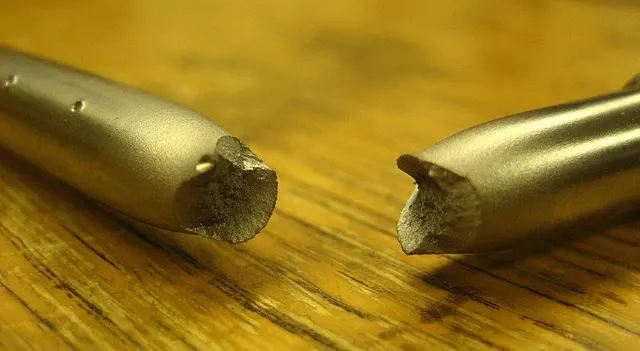
Alexander Luria. Alexander Luria 75 · John Vincent Atanasoff 70 · Fracture 67 · Móstoles 64 ATK in WikiCards.
In a duel, each round asks a question like these about the opposing card, with 15 seconds to answer.
The facts on the card
The card carries these facts from its Wikipedia article.
- He developed an extensive and original battery of neuropsychological tests during his clinical work with brain-injured victims of World War II, which are still used in various forms.
- He made an in-depth analysis of the functioning of various brain regions and the integrative processes of the brain in general.
- Luria's magnum opus, Higher Cortical Functions in Man, is a much-used psychological textbook which has been translated into many languages and which he supplemented with The Working Brain in 1973.
Why it is Uncommon
Rarity in WikiCards follows a year of Wikipedia page views: the most read articles become Epic and Legendary cards. The Alexander Luria article was read about 28,000 times in a year. ATK comes from the length of the article and DEF from its quality, so this card hits with 75 and blocks with 60: each hit it takes is cut by 24 %.
How to get Alexander Luria
Open packs. Each pack holds five cards drawn from real Wikipedia articles, the rarest last, and the fifth card is always Rare or better. The odds are shown in the game. A free pack arrives every hour and two can wait, and the Coins you win in duels buy more packs.
More Science cards


Cards close in power
The cards just above and just below Alexander Luria in the power ranking, all domains together.
- World Water DayUncommon · Society · ATK 72 DEF 63
- AbakanUncommon · Society · ATK 66 DEF 69
- MóstolesUncommon · Society · ATK 64 DEF 71
- AlmogavarsUncommon · History · ATK 75 DEF 60
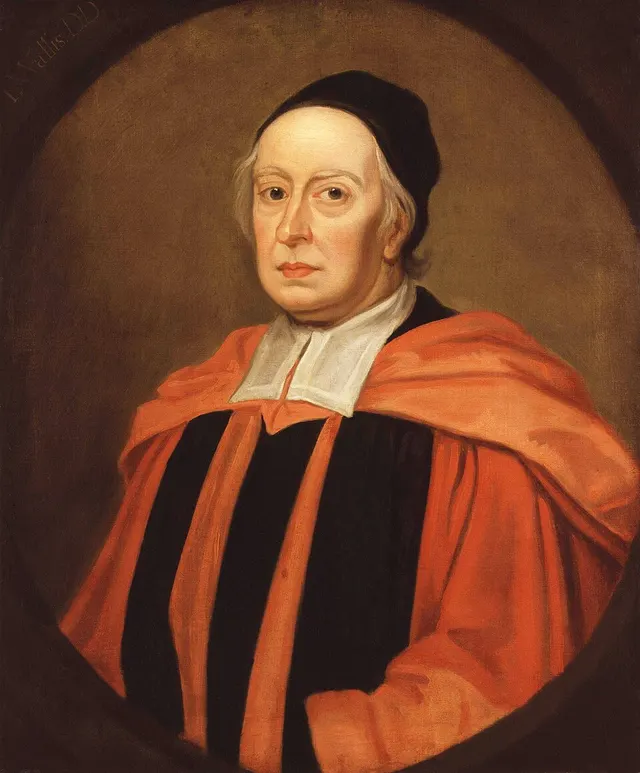
- John WallisUncommon · Science · ATK 74 DEF 61
- Chief BenderUncommon · Society · ATK 67 DEF 68
Card lists
- Wikipedia quizNew questions every day
- All cards from A to ZEvery card, by name
- Science cards
- Legendary cards
- Tier listS and A tiers by power (ATK + DEF)
Credits
Text : Wikipedia, Alexander Luria (revision), CC BY-SA 4.0. Photo : Unknown (picture taken around 1940s), Public domain, Wikimedia Commons.
