
 WikiCards
 Play on iPhone nowFree in Safari. Add it to your Home Screen.Play
WikiCards · Card list · History cards · Zhong Kui
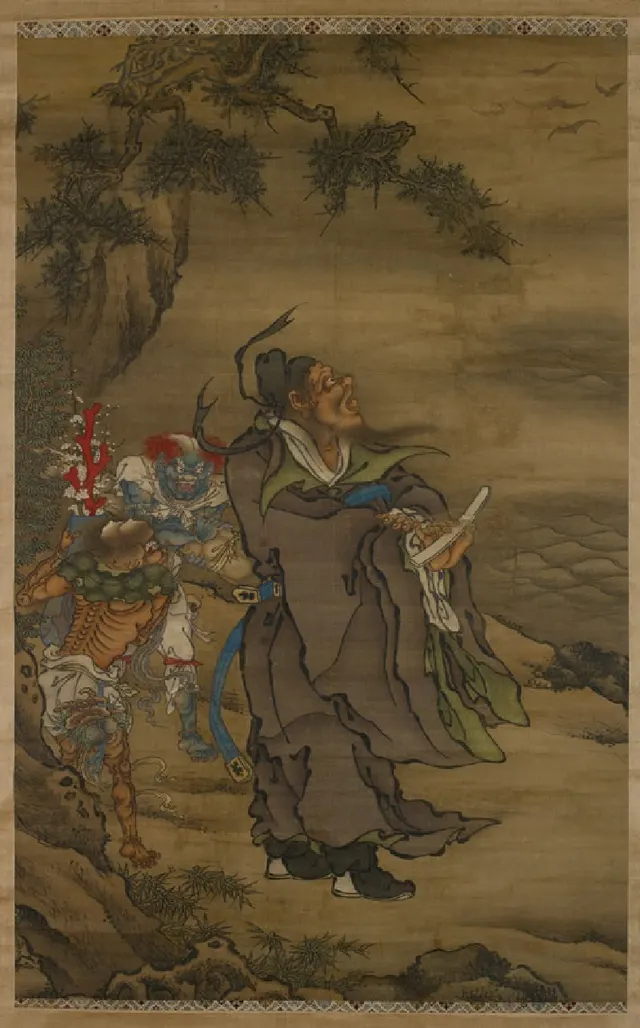
Rare card · History
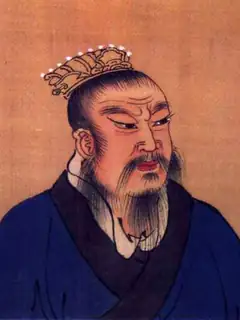
Zhong Kui, a Rare card
Zhong Kui is a Taoist deity in Chinese mythology, traditionally regarded as a vanquisher of ghosts and evil beings.
- Rarity
- Rare
- Domain
- History
- ATK
- 68
- DEF
- 66
- Power
- 134
- Wikipedia reads a year
- 230,000
Power 134 (ATK + DEF): stronger than 65 % of WikiCards cards.
The facts on the card
The card carries these facts from its Wikipedia article.
- He is depicted as a large man with a big black beard, bulging eyes, and a wrathful expression.
- Zhong Kui is able to command 80,000 demons to do his bidding and is often associated with the five bats of fortune.
- Worship and iconography of Zhong Kui later spread to other East Asian countries.
Why it is Rare
Rarity in WikiCards follows a year of Wikipedia page views: the most read articles become Epic and Legendary cards. The Zhong Kui article was read about 230,000 times in a year. ATK comes from the length of the article and DEF from its quality, so this card hits with 68 and blocks with 66: each hit it takes is cut by 26 %.
How to get Zhong Kui
Open packs. Each pack holds five cards drawn from real Wikipedia articles, the rarest last, and the fifth card is always Rare or better. The odds are shown in the game. A free pack arrives every hour and two can wait, and the Coins you win in duels buy more packs.
More History cards




Cards close in power
The cards just above and just below Zhong Kui in the power ranking, all domains together.
- Impossible colorRare · Science · ATK 70 DEF 64
- Michael SchenkerRare · History · ATK 73 DEF 61
- Sonny GrayRare · Society · ATK 69 DEF 65
- Bret McKenzieRare · Arts · ATK 71 DEF 63
- Matthew BarneyRare · Arts · ATK 73 DEF 61
- Scott IanRare · Arts · ATK 72 DEF 62
Card lists
- Wikipedia quizNew questions every day
- All cards from A to ZEvery card, by name
- History cards
- Legendary cards
- Tier listS and A tiers by power (ATK + DEF)
Credits
Text : Wikipedia, Zhong Kui (revision), CC BY-SA 4.0. Photo : Anonymous Note: It has been traditionally attributed to Wu Wei (1459 - 1508), but it was p, Public domain, Wikimedia Commons.
