 WikiCards
 Play on iPhone nowFree in Safari. Add it to your Home Screen.Play
WikiCards · Card list · Arts cards · Tudigong
Uncommon card · Arts
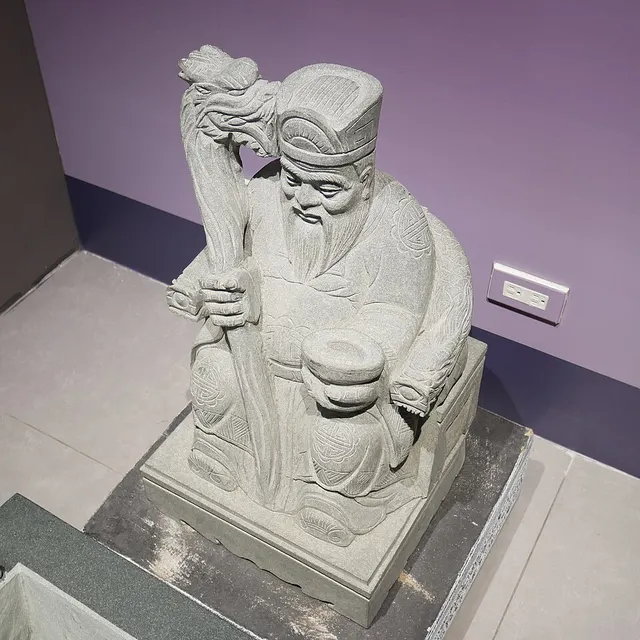
Tudigong, an Uncommon card
A Tudigong is a kind of Chinese tutelary deity of a specific location.
- Rarity
- Uncommon
- Domain
- Arts
- ATK
- 62
- DEF
- 68
- Power
- 130
- Wikipedia reads a year
- 23,000
Power 130 (ATK + DEF): stronger than 65 % of WikiCards cards.
The facts on the card
The card carries these facts from its Wikipedia article.
- There are several Tudigongs corresponding to different geographical locations and sometimes multiple ones will be venerated together in certain regions.
- They are tutelary deities of locations and the human communities who inhabit it in Chinese folk religion, Buddhism, Confucianism, and Taoism.
- They are portrayed as old men with long beards.
Why it is Uncommon
Rarity in WikiCards follows a year of Wikipedia page views: the most read articles become Epic and Legendary cards. The Tudigong article was read about 23,000 times in a year. ATK comes from the length of the article and DEF from its quality, so this card hits with 62 and blocks with 68: each hit it takes is cut by 27 %.
How to get Tudigong
Open packs. Each pack holds five cards drawn from real Wikipedia articles, the rarest last, and the fifth card is always Rare or better. The odds are shown in the game. A free pack arrives every hour and two can wait, and the Coins you win in duels buy more packs.
More Arts cards



Cards close in power
The cards just above and just below Tudigong in the power ranking, all domains together.
- Peter TordenskjoldUncommon · History · ATK 67 DEF 63
- Ruggero PasquarelliUncommon · Arts · ATK 73 DEF 57
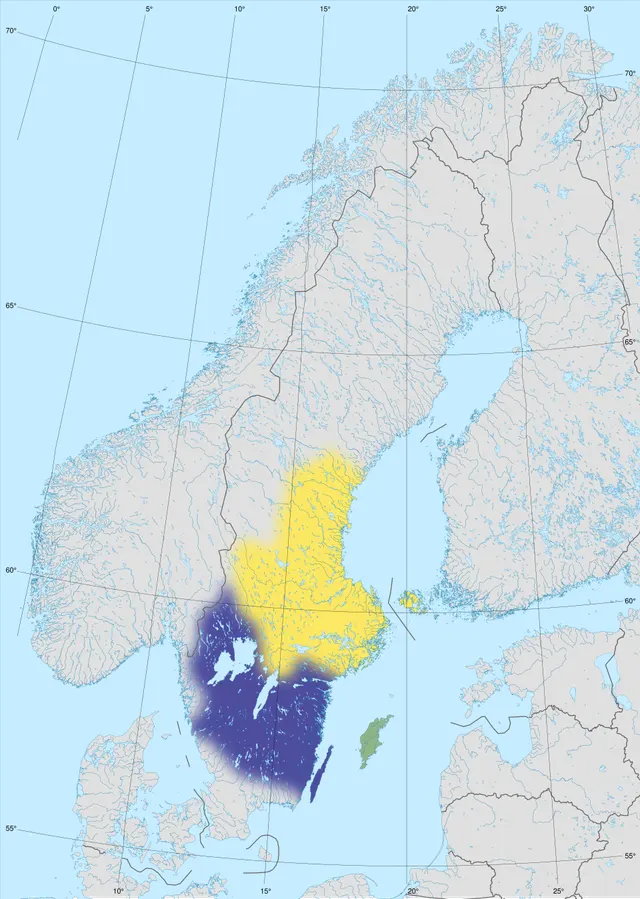
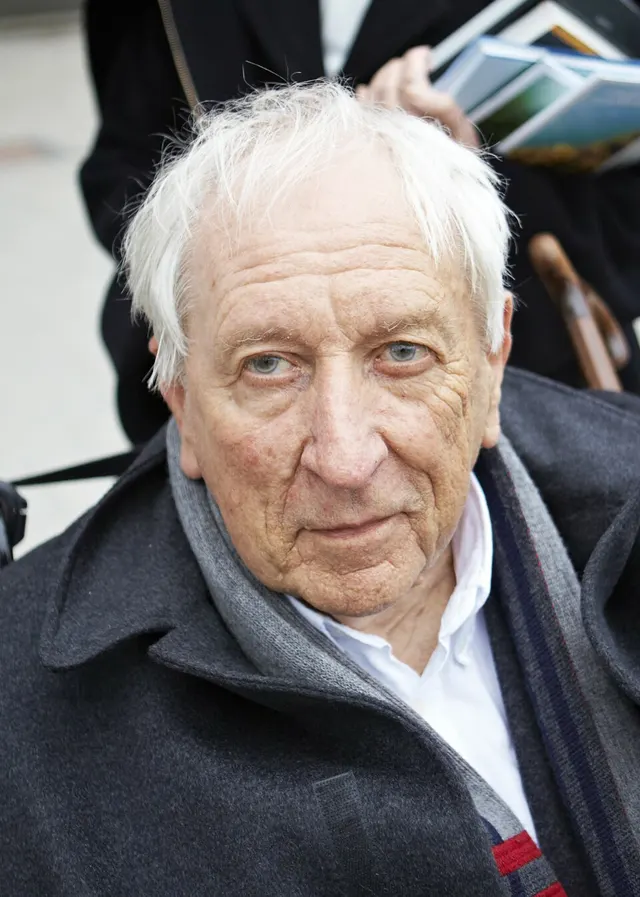
- SwedesUncommon · Arts · ATK 67 DEF 63
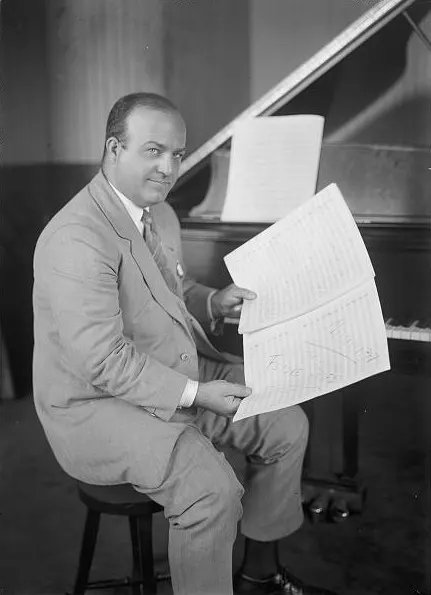
- Ferde GroféUncommon · Arts · ATK 71 DEF 59
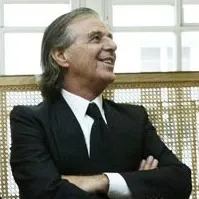
- Ricardo BofillUncommon · Arts · ATK 68 DEF 62
- Sergio RodríguezUncommon · Society · ATK 71 DEF 59
Card lists
- Wikipedia quizNew questions every day
- All cards from A to ZEvery card, by name
- Arts cards
- Legendary cards
- Tier listS and A tiers by power (ATK + DEF)
Credits
Text : Wikipedia, Tudigong (revision), CC BY-SA 4.0. Photo : 氏子, CC BY-SA 4.0, Wikimedia Commons.
