
 WikiCards
 Play on iPhone nowFree in Safari. Add it to your Home Screen.Play
WikiCards · Card list · Society cards · Tsatsa
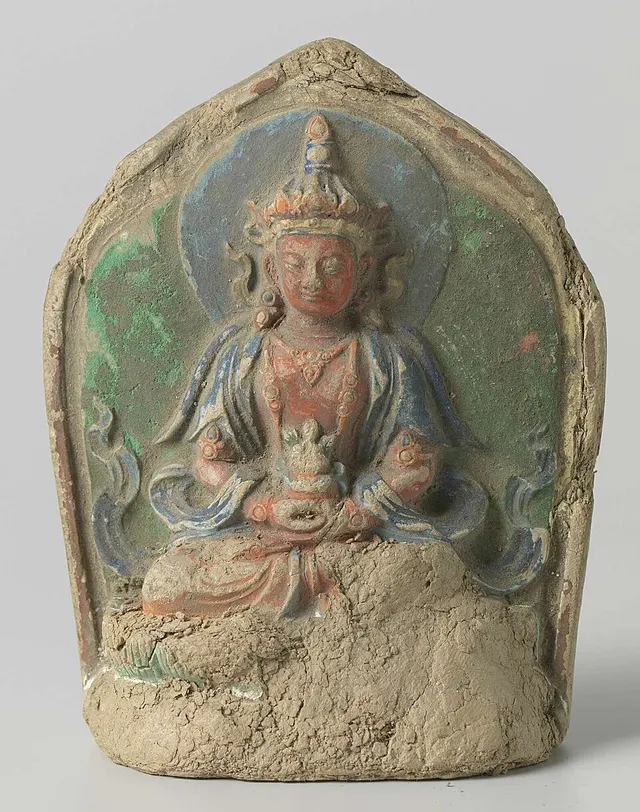
Uncommon card · Society
Tsatsa, an Uncommon card
Tsatsa is a small sculptural votive offering used in Tibetan Buddhism.
- Rarity
- Uncommon
- Domain
- Society
- ATK
- 42
- DEF
- 30
- Power
- 72
- Wikipedia reads a year
- 16,000
Power 72 (ATK + DEF): stronger than 15 % of WikiCards cards.
The facts on the card
The card carries these facts from its Wikipedia article.
- They are usually small plaques with decoration in relief, made in moulds with clay or rammed earth, but sometimes other materials such as metal may be used.
- They descend from similar Indian plaques made for pilgrims to Buddhist pilgrimage sites such as Bodh Gaya.
- In Bhutan, the usual shape is a small chorten or stupa, also sometimes seen in Tibet, where it has a special funerary form.
Why it is Uncommon
Rarity in WikiCards follows a year of Wikipedia page views: the most read articles become Epic and Legendary cards. The Tsatsa article was read about 16,000 times in a year. ATK comes from the length of the article and DEF from its quality, so this card hits with 42 and blocks with 30: each hit it takes is cut by 12 %.
How to get Tsatsa
Open packs. Each pack holds five cards drawn from real Wikipedia articles, the rarest last, and the fifth card is always Rare or better. The odds are shown in the game. A free pack arrives every hour and two can wait, and the Coins you win in duels buy more packs.
More Society cards





Cards close in power
The cards just above and just below Tsatsa in the power ranking, all domains together.
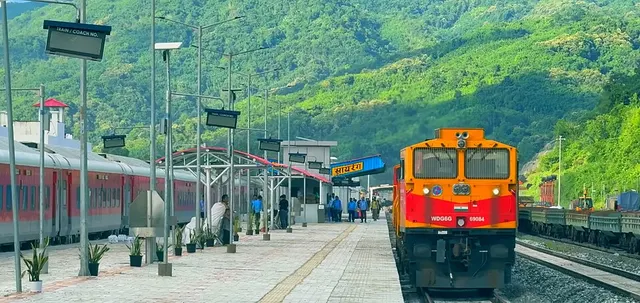
- Orri Páll DýrasonUncommon · Arts · ATK 47 DEF 25
- Polytheistic reconstructionismUncommon · Science · ATK 53 DEF 19
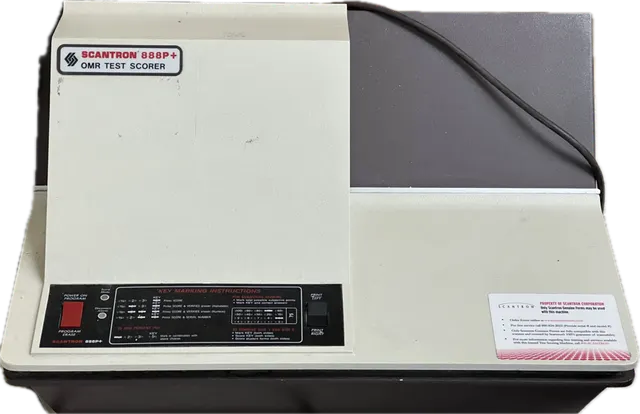
- Scantron CorporationUncommon · Society · ATK 46 DEF 26
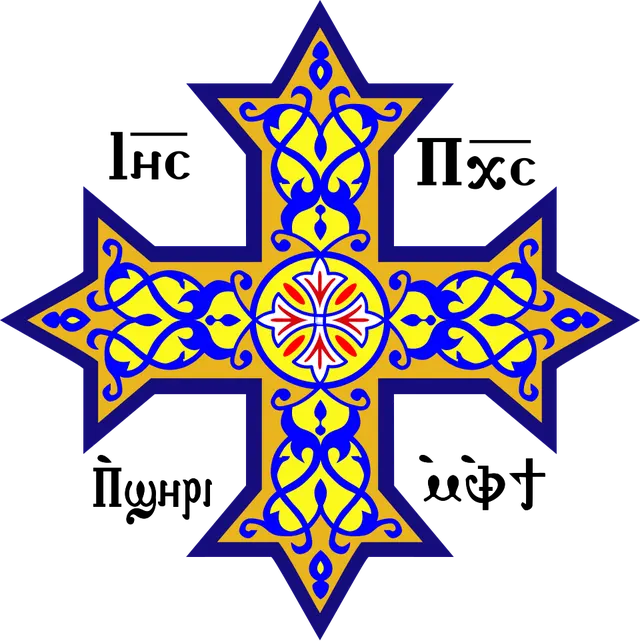
- Coptic RiteCommon · Society · ATK 53 DEF 19
- Saverio CostanzoCommon · Arts · ATK 46 DEF 26
- Božena NěmcováCommon · Arts · ATK 50 DEF 22
Card lists
- Wikipedia quizNew questions every day
- All cards from A to ZEvery card, by name
- Society cards
- Legendary cards
- Tier listS and A tiers by power (ATK + DEF)
Credits
Text : Wikipedia, Tsatsa (revision), CC BY-SA 4.0. Photo : Rijksmuseum, CC0, Wikimedia Commons.
