
 WikiCards
 Play on iPhone nowFree in Safari. Add it to your Home Screen.Play
WikiCards · Card list · History cards · Stefan Hell
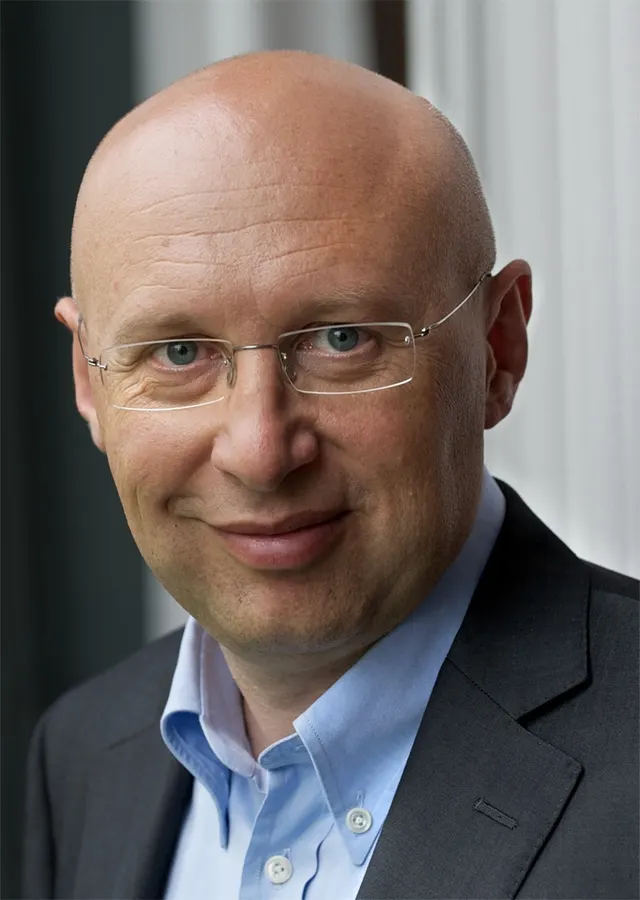
Common card · History
Stefan Hell, a Common card
Stefan Walter Hell is a Romanian-German physicist and one of the directors of the Max Planck Institute for Multidisciplinary Sciences in Göttingen, and of the Max Planck Institute for Medical Research in Heidelberg, both of which are in Germany.
- Rarity
- Common
- Domain
- History
- ATK
- 64
- DEF
- 41
- Power
- 105
- Wikipedia reads a year
- 15,000
Power 105 (ATK + DEF): stronger than 45 % of WikiCards cards.
The facts on the card
The card carries these facts from its Wikipedia article.
- He received the Nobel Prize in Chemistry in 2014 "for the development of super-resolved fluorescence microscopy", together with Eric Betzig and William Moerner.
Why it is Common
Rarity in WikiCards follows a year of Wikipedia page views: the most read articles become Epic and Legendary cards. The Stefan Hell article was read about 15,000 times in a year. ATK comes from the length of the article and DEF from its quality, so this card hits with 64 and blocks with 41: each hit it takes is cut by 16 %.
How to get Stefan Hell
Open packs. Each pack holds five cards drawn from real Wikipedia articles, the rarest last, and the fifth card is always Rare or better. The odds are shown in the game. A free pack arrives every hour and two can wait, and the Coins you win in duels buy more packs.
More History cards
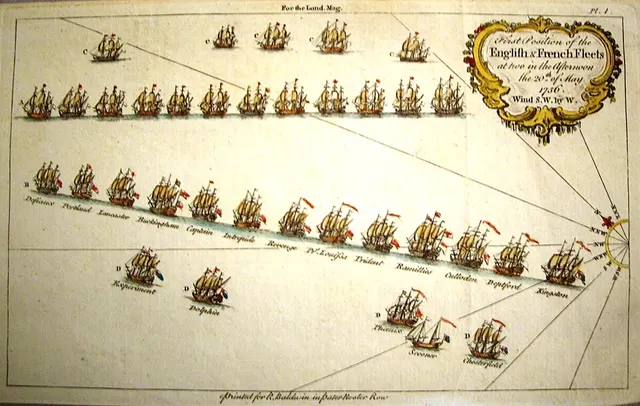

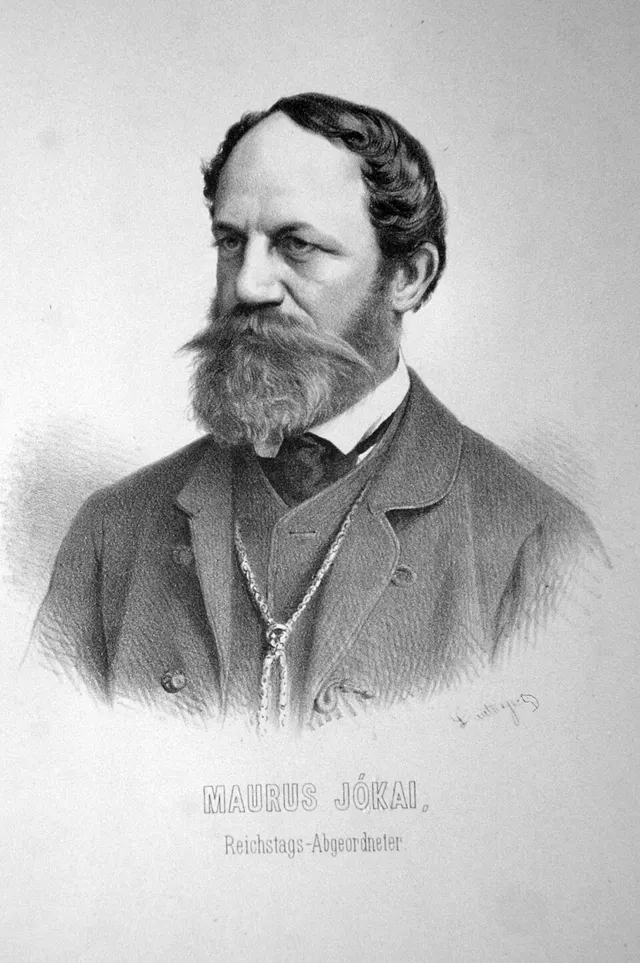
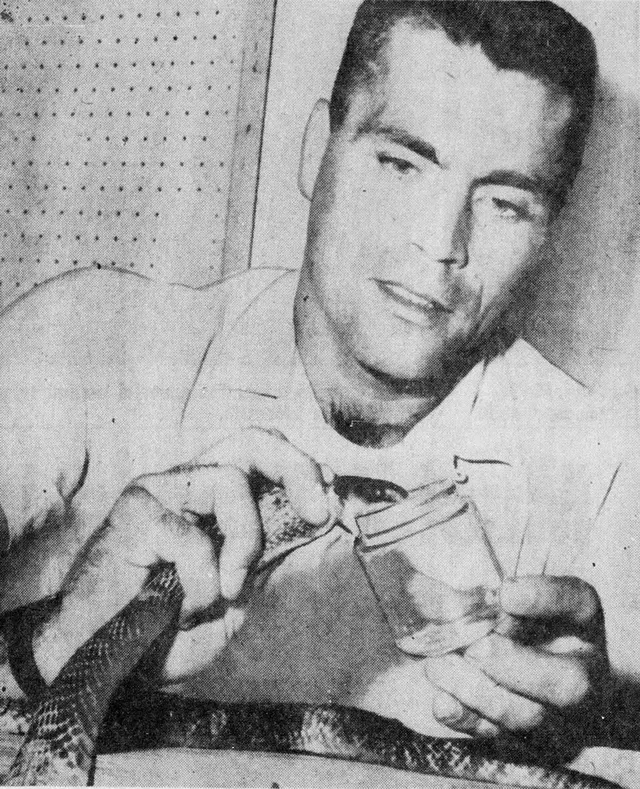

Cards close in power
The cards just above and just below Stefan Hell in the power ranking, all domains together.
- Nick PiantanidaUncommon · History · ATK 59 DEF 46
- Rotary converterCommon · Science · ATK 62 DEF 43
- Sebastian MünsterCommon · Arts · ATK 57 DEF 48
- Tomáš KaberleUncommon · Society · ATK 65 DEF 40
- Vladislav ArdzinbaUncommon · History · ATK 60 DEF 45
- William Howard RussellCommon · Arts · ATK 61 DEF 44
Card lists
- Wikipedia quizNew questions every day
- All cards from A to ZEvery card, by name
- History cards
- Legendary cards
- Tier listS and A tiers by power (ATK + DEF)
Credits
Text : Wikipedia, Stefan Hell (revision), CC BY-SA 4.0. Photo : Bernd Schuller, Max-Planck-Institut für biophysikalische Chemie, CC BY-SA 3.0, Wikimedia Commons.
