
 WikiCards
 Play on iPhone nowFree in Safari. Add it to your Home Screen.Play
WikiCards · Card list · Nature cards · Pigeonhole principle
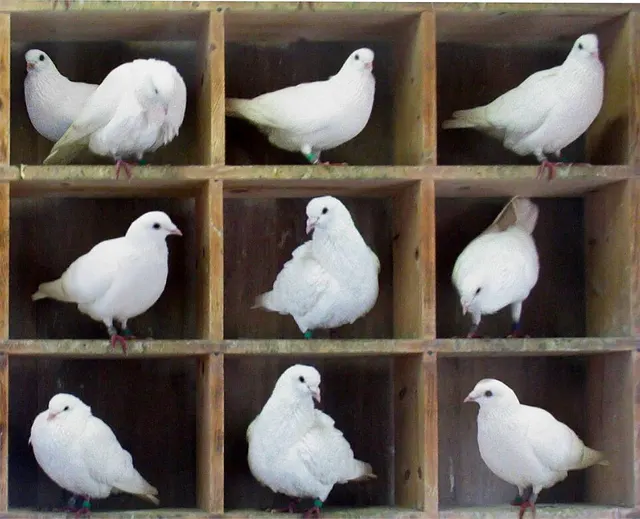
Uncommon card · Nature
Pigeonhole principle, an Uncommon card
In mathematics, the pigeonhole principle states that if n items are put into m containers, with n > m, then at least one container must contain more than one item.
- Rarity
- Uncommon
- Domain
- Nature
- ATK
- 70
- DEF
- 51
- Power
- 121
- Wikipedia reads a year
- 110,000
Power 121 (ATK + DEF): stronger than 60 % of WikiCards cards.
Pigeonhole principle quiz: 3 questions
Three questions on the Pigeonhole principle card, the way WikiCards duels ask them. Pick an answer, the facts are just below.
Find the missing word
This seemingly obvious statement, a type of ______ argument, can be used to demonstrate possibly unexpected results.
Answer
counting. This seemingly obvious statement, a type of counting argument, can be used to demonstrate possibly unexpected results. From the Pigeonhole principle article on Wikipedia.
Which of these cards hits hardest (highest ATK)?
Answer
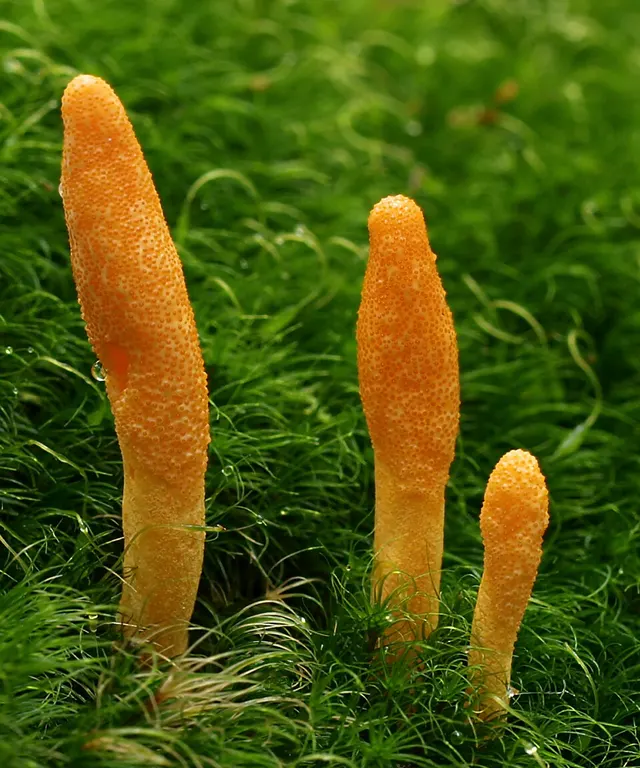
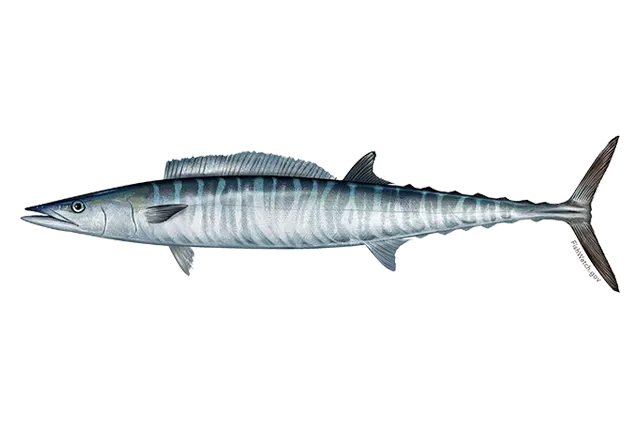
Pigeonhole principle. Pigeonhole principle 70 · Cetus 63 · Cordyceps 60 · Wahoo 57 ATK in WikiCards.
Which of these Wikipedia articles is read the most in a year?
Answer
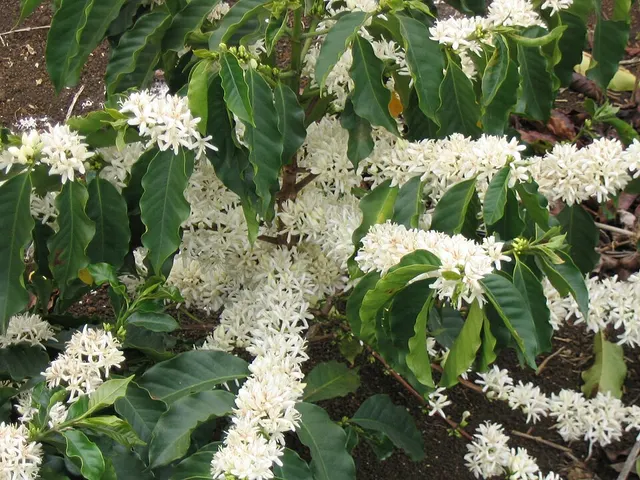
Cordyceps. Cordyceps 270,000 · Wahoo 150,000 · Pigeonhole principle 110,000 · Hevea brasiliensis 84,000 Wikipedia reads over a year.
In a duel, each round asks a question like these about the opposing card, with 15 seconds to answer.
The facts on the card
The card carries these facts from its Wikipedia article.
- For example, of three gloves, at least two must be right-handed or at least two must be left-handed, because there are three objects but only two categories of handedness to put them into.
- This seemingly obvious statement, a type of counting argument, can be used to demonstrate possibly unexpected results.
- For example, given that the population of London is more than one unit greater than the maximum number of hairs that can be on a human head, the principle requires that there must be at least two people in London who have the same number of hairs on their heads.
Why it is Uncommon
Rarity in WikiCards follows a year of Wikipedia page views: the most read articles become Epic and Legendary cards. The Pigeonhole principle article was read about 110,000 times in a year. ATK comes from the length of the article and DEF from its quality, so this card hits with 70 and blocks with 51: each hit it takes is cut by 20 %.
How to get Pigeonhole principle
Open packs. Each pack holds five cards drawn from real Wikipedia articles, the rarest last, and the fifth card is always Rare or better. The odds are shown in the game. A free pack arrives every hour and two can wait, and the Coins you win in duels buy more packs.
More Nature cards


Cards close in power
The cards just above and just below Pigeonhole principle in the power ranking, all domains together.
- Littoral zoneUncommon · Society · ATK 65 DEF 56
- Logan HendersonUncommon · Arts · ATK 65 DEF 56
- Ned JarrettUncommon · Society · ATK 79 DEF 42
- VortexUncommon · Society · ATK 68 DEF 53
- Battle axeUncommon · History · ATK 68 DEF 53
- BujumburaUncommon · Society · ATK 68 DEF 53
Card lists
- Wikipedia quizNew questions every day
- All cards from A to ZEvery card, by name
- Nature cards
- Legendary cards
- Tier listS and A tiers by power (ATK + DEF)
Credits
Text : Wikipedia, Pigeonhole principle (revision), CC BY-SA 4.0. Photo : Pigeons-in-holes.jpg by en:User:BenFrantzDale, this image by en:User:McKay, CC BY-SA 3.0, Wikimedia Commons.
