
 WikiCards
 Play on iPhone nowFree in Safari. Add it to your Home Screen.Play
WikiCards · Card list · History cards · Peace of Augsburg
Uncommon card · History
Peace of Augsburg, an Uncommon card
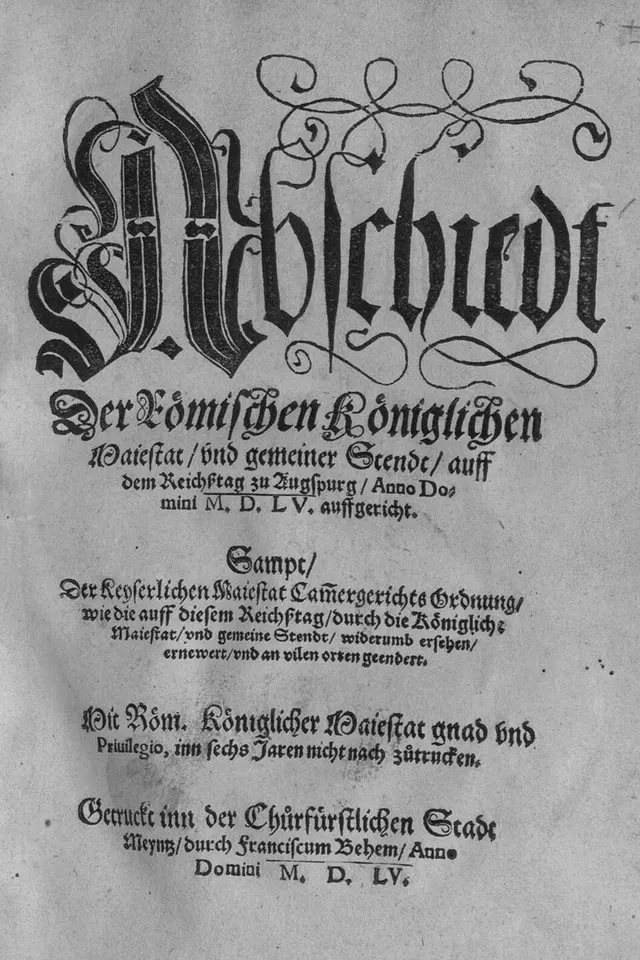
The Peace of Augsburg, also called the Augsburg Settlement, was a treaty between Charles V, Holy Roman Emperor and the Schmalkaldic League, signed on 25 September 1555 in the German city of Augsburg.
- Rarity
- Uncommon
- Domain
- History
- ATK
- 61
- DEF
- 29
- Power
- 90
- Wikipedia reads a year
- 60,000
Power 90 (ATK + DEF): stronger than 30 % of WikiCards cards.
Peace of Augsburg quiz: 3 questions
Three questions on the Peace of Augsburg card, the way WikiCards duels ask them. Pick an answer, the facts are just below.
Find the missing word
Calvinism was not allowed until the Peace of ______.
Answer
Westphalia. Calvinism was not allowed until the Peace of Westphalia. From the Peace of Augsburg article on Wikipedia.
In which decade?
The Peace of Augsburg, also called the Augsburg Settlement, was a treaty between Charles V, Holy Roman Emperor and the Schmalkaldic League, signed on 25 September ____ in the German city of Augsburg.
Answer
1550s. The Peace of Augsburg, also called the Augsburg Settlement, was a treaty between Charles V, Holy Roman Emperor and the Schmalkaldic League, signed on 25 September 1555 in the German city of Augsburg. From the Peace of Augsburg article on Wikipedia.
Which of these cards hits hardest (highest ATK)?
Answer
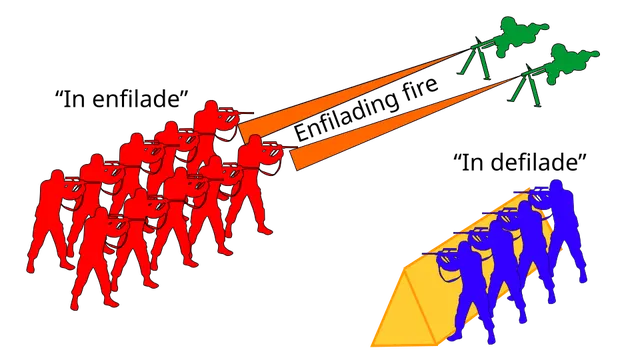
Peace of Augsburg. Peace of Augsburg 61 · Praveen Kumar 58 · Enfilade and defilade 55 · Evening 51 ATK in WikiCards.
In a duel, each round asks a question like these about the opposing card, with 15 seconds to answer.
The facts on the card
The card carries these facts from its Wikipedia article.
- It officially ended the religious struggle between the two groups and made the legal division of Christianity permanent within the Holy Roman Empire, allowing rulers to choose either Lutheranism or Roman Catholicism as the official confession of their state.
- Calvinism was not allowed until the Peace of Westphalia.
- The Peace of Augsburg has been described as "the first step on the road toward a European system of sovereign states." The system, created based on the Augsburg Peace, collapsed at the beginning of the 17th century, which was one of the reasons for the Thirty Years' War.
Why it is Uncommon
Rarity in WikiCards follows a year of Wikipedia page views: the most read articles become Epic and Legendary cards. The Peace of Augsburg article was read about 60,000 times in a year. ATK comes from the length of the article and DEF from its quality, so this card hits with 61 and blocks with 29: each hit it takes is cut by 12 %.
How to get Peace of Augsburg
Open packs. Each pack holds five cards drawn from real Wikipedia articles, the rarest last, and the fifth card is always Rare or better. The odds are shown in the game. A free pack arrives every hour and two can wait, and the Coins you win in duels buy more packs.
More History cards



Cards close in power
The cards just above and just below Peace of Augsburg in the power ranking, all domains together.
- Garlic breadUncommon · Society · ATK 53 DEF 37
- Jeffrey MeldrumUncommon · Science · ATK 56 DEF 34
- And Quiet Flows the DonUncommon · Arts · ATK 60 DEF 30
- Praveen KumarUncommon · Society · ATK 58 DEF 32
- Paula MoltzanUncommon · Society · ATK 64 DEF 26
- Viktor ZubkovUncommon · History · ATK 60 DEF 30
Card lists
- Wikipedia quizNew questions every day
- All cards from A to ZEvery card, by name
- History cards
- Legendary cards
- Tier listS and A tiers by power (ATK + DEF)
Credits
Text : Wikipedia, Peace of Augsburg (revision), CC BY-SA 4.0. Photo : User:Michail, Public domain, Wikimedia Commons.
