
 WikiCards
 Play on iPhone nowFree in Safari. Add it to your Home Screen.Play
WikiCards · Card list · History cards · Nag Hammadi library
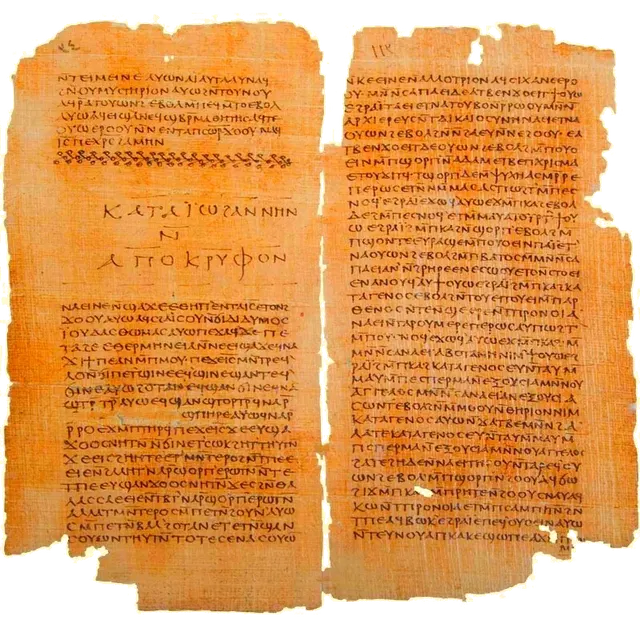
Rare card · History
Nag Hammadi library, a Rare card
The Nag Hammadi library is a collection of early Christian and Gnostic texts discovered near the Upper Egyptian town of Nag Hammadi in 1945.
- Rarity
- Rare
- Domain
- History
- ATK
- 73
- DEF
- 50
- Power
- 123
- Wikipedia reads a year
- 280,000
Power 123 (ATK + DEF): stronger than 60 % of WikiCards cards.
Nag Hammadi library quiz: 3 questions
Three questions on the Nag Hammadi library card, the way WikiCards duels ask them. Pick an answer, the facts are just below.
In which decade?
The Nag Hammadi library is a collection of early Christian and Gnostic texts discovered near the Upper Egyptian town of Nag Hammadi in ____.
Answer
1940s. The Nag Hammadi library is a collection of early Christian and Gnostic texts discovered near the Upper Egyptian town of Nag Hammadi in 1945. From the Nag Hammadi library article on Wikipedia.
Which of these cards hits hardest (highest ATK)?
Answer
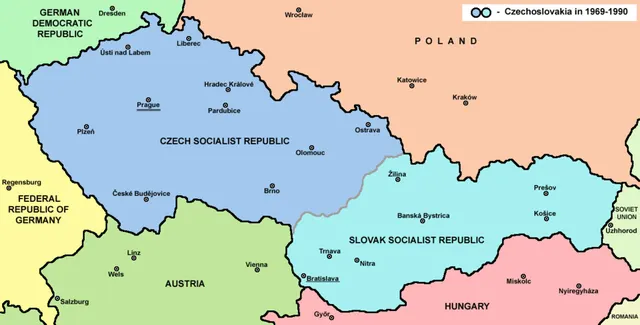
Dissolution of Czechoslovakia. Dissolution of Czechoslovakia 77 · Nag Hammadi library 73 · Belle Époque 70 · Republic Day 63 ATK in WikiCards.
Which of these Wikipedia articles is read the most in a year?
Answer
Republic Day. Republic Day 750,000 · Belle Époque 600,000 · Walt Frazier 450,000 · Nag Hammadi library 280,000 Wikipedia reads over a year.
In a duel, each round asks a question like these about the opposing card, with 15 seconds to answer.
The facts on the card
The card carries these facts from its Wikipedia article.
- Twelve leather-bound papyrus codices buried in a sealed jar were found by an Egyptian farmer named Muhammed al-Samman and others in late 1945.
- The writings in these codices comprise 52 mostly Gnostic treatises, along with three works belonging to the Corpus Hermeticum, and a partial translation/alteration of Plato's Republic.
- In his introduction to The Nag Hammadi Library in English, James Robinson suggests that these codices may have belonged to a nearby Pachomian monastery and were buried after Saint Athanasius condemned the use of non-canonical books in his Festal Letter of 367 A.D. The Pachomian hypothesis has been further expanded by Lundhaug & Jenott and further strengthened by Linjamaa.
Why it is Rare
Rarity in WikiCards follows a year of Wikipedia page views: the most read articles become Epic and Legendary cards. The Nag Hammadi library article was read about 280,000 times in a year. ATK comes from the length of the article and DEF from its quality, so this card hits with 73 and blocks with 50: each hit it takes is cut by 20 %.
How to get Nag Hammadi library
Open packs. Each pack holds five cards drawn from real Wikipedia articles, the rarest last, and the fifth card is always Rare or better. The odds are shown in the game. A free pack arrives every hour and two can wait, and the Coins you win in duels buy more packs.
More History cards



Cards close in power
The cards just above and just below Nag Hammadi library in the power ranking, all domains together.
- Avogadro constantRare · Science · ATK 67 DEF 56
- Trent DilferRare · Society · ATK 73 DEF 50
- Mohammad Reza ArefRare · History · ATK 65 DEF 58
- Roberto RosselliniRare · Arts · ATK 69 DEF 54
- Lee CorsoRare · Society · ATK 70 DEF 53
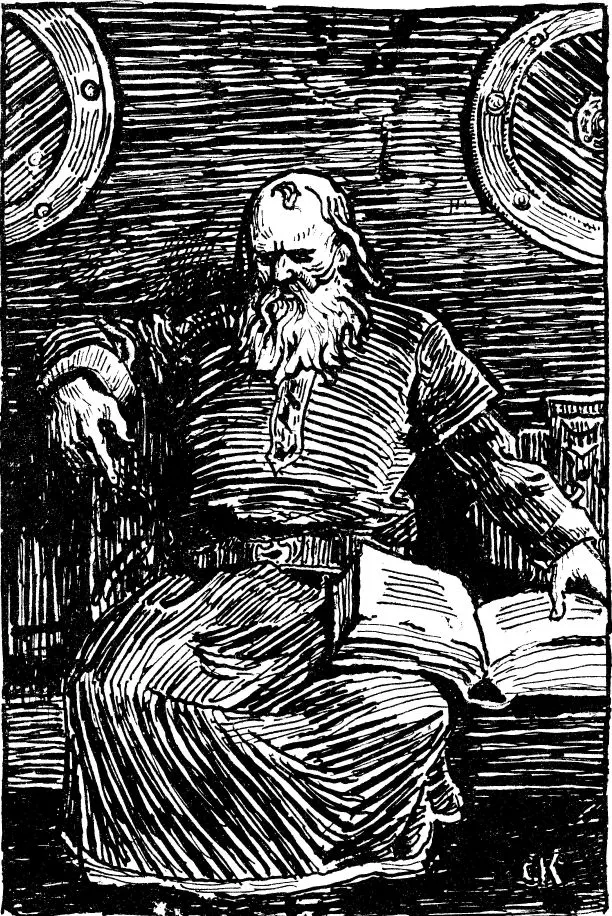
- Snorri SturlusonRare · History · ATK 68 DEF 55
Card lists
- Wikipedia quizNew questions every day
- All cards from A to ZEvery card, by name
- History cards
- Legendary cards
- Tier listS and A tiers by power (ATK + DEF)
Credits
Text : Wikipedia, Nag Hammadi library (revision), CC BY-SA 4.0. Photo : Unknown author Unknown author, Public domain, Wikimedia Commons.
