
 WikiCards
 Play on iPhone nowFree in Safari. Add it to your Home Screen.Play
WikiCards · Card list · Nature cards · Gaia hypothesis
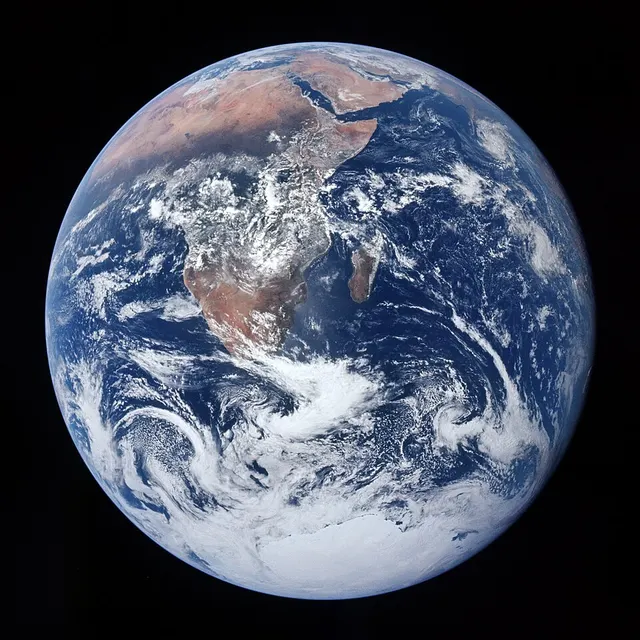
Uncommon card · Nature
Gaia hypothesis, an Uncommon card
The Gaia hypothesis, also known as the Gaia theory, Gaia paradigm, or the Gaia principle, proposes that living organisms interact with their inorganic surroundings on Earth to form a synergistic and self-regulating complex system that helps to maintain and perpetuate the conditions for life on the planet.
- Rarity
- Uncommon
- Domain
- Nature
- ATK
- 82
- DEF
- 90
- Power
- 172
- Wikipedia reads a year
- 130,000
Power 172 (ATK + DEF): stronger than 85 % of WikiCards cards.
Gaia hypothesis quiz: 3 questions
Three questions on the Gaia hypothesis card, the way WikiCards duels ask them. Pick an answer, the facts are just below.
Find the missing word
In 2006, the ______ Society of London awarded Lovelock the Wollaston Medal in part for his work on the Gaia hypothesis.
Answer
Geological. In 2006, the Geological Society of London awarded Lovelock the Wollaston Medal in part for his work on the Gaia hypothesis. From the Gaia hypothesis article on Wikipedia.
In which decade?
The Gaia hypothesis was formulated by the chemist James Lovelock and co-developed by the microbiologist Lynn Margulis in the ____s.
Answer
1970s. The Gaia hypothesis was formulated by the chemist James Lovelock and co-developed by the microbiologist Lynn Margulis in the 1970s. From the Gaia hypothesis article on Wikipedia.
In a duel, each round asks a question like these about the opposing card, with 15 seconds to answer.
The facts on the card
The card carries these facts from its Wikipedia article.
- The Gaia hypothesis was formulated by the chemist James Lovelock and co-developed by the microbiologist Lynn Margulis in the 1970s.
- Following the suggestion by his neighbour, novelist William Golding, Lovelock named the hypothesis after Gaia, the primordial deity who was sometimes personified as the Earth in Greek mythology.
- In 2006, the Geological Society of London awarded Lovelock the Wollaston Medal in part for his work on the Gaia hypothesis.
Why it is Uncommon
Rarity in WikiCards follows a year of Wikipedia page views: the most read articles become Epic and Legendary cards. The Gaia hypothesis article was read about 130,000 times in a year. ATK comes from the length of the article and DEF from its quality, so this card hits with 82 and blocks with 90: each hit it takes is cut by 36 %.
How to get Gaia hypothesis
Open packs. Each pack holds five cards drawn from real Wikipedia articles, the rarest last, and the fifth card is always Rare or better. The odds are shown in the game. A free pack arrives every hour and two can wait, and the Coins you win in duels buy more packs.
More Nature cards

Cards close in power
The cards just above and just below Gaia hypothesis in the power ranking, all domains together.
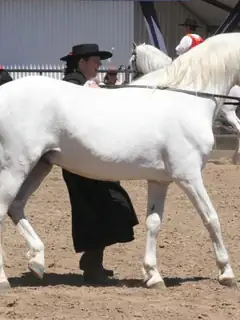
- Andalusian horseUncommon · Nature · ATK 77 DEF 95
- Breeder reactorUncommon · Society · ATK 83 DEF 89
- Filipino cuisineUncommon · Society · ATK 95 DEF 77
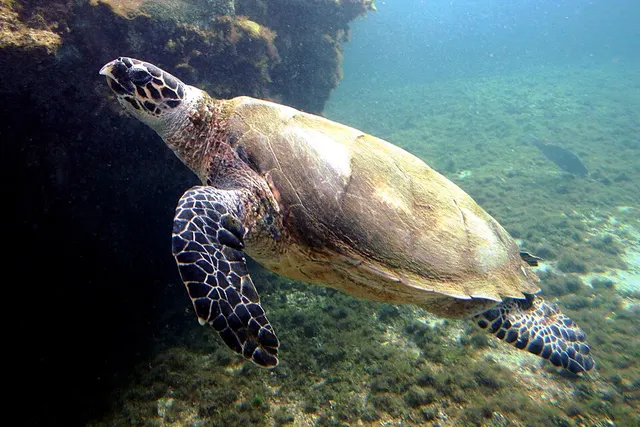
- Hawksbill sea turtleUncommon · Nature · ATK 77 DEF 95
- Levon AronianUncommon · Society · ATK 80 DEF 92
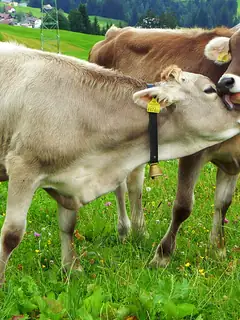
- LivestockUncommon · Nature · ATK 76 DEF 96
Card lists
- Wikipedia quizNew questions every day
- All cards from A to ZEvery card, by name
- Nature cards
- Legendary cards
- Tier listS and A tiers by power (ATK + DEF)
Credits
Text : Wikipedia, Gaia hypothesis (revision), CC BY-SA 4.0. Photo : Harrison Schmitt / Apollo 17, Public domain, Wikimedia Commons.
