
 WikiCards
 Play on iPhone nowFree in Safari. Add it to your Home Screen.Play
WikiCards · Card list · History cards · Fibonacci
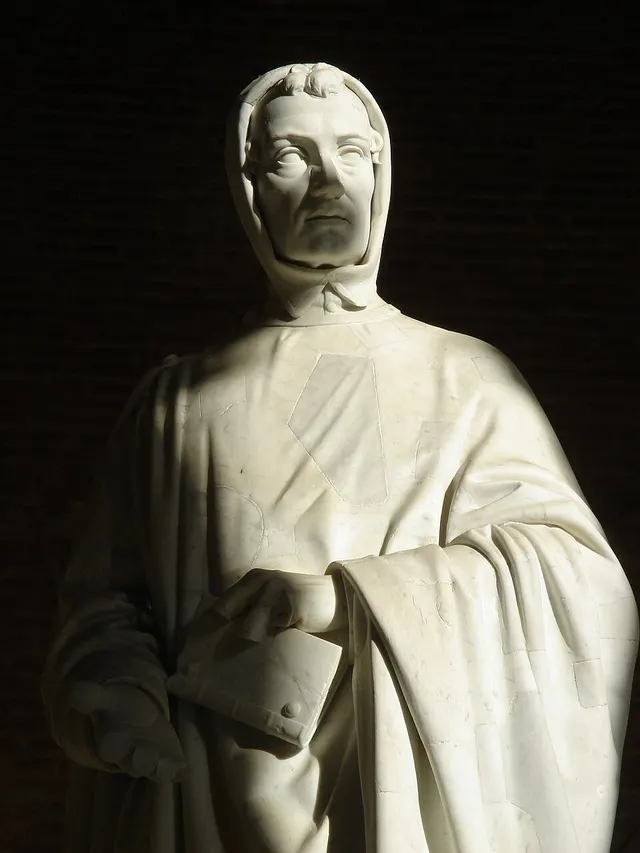
Rare card · History
Fibonacci, a Rare card
Leonardo Bonacci, also Leonardo da Pisa, commonly known as Fibonacci, was an Italian mathematician from the Republic of Pisa, considered to be "the most talented Western mathematician of the Middle Ages".
- Rarity
- Rare
- Domain
- History
- ATK
- 67
- DEF
- 61
- Power
- 128
- Wikipedia reads a year
- 240,000
Power 128 (ATK + DEF): stronger than 65 % of WikiCards cards.
Fibonacci quiz: 3 questions
Three questions on the Fibonacci card, the way WikiCards duels ask them. Pick an answer, the facts are just below.
Find the missing word
However, even as early as 1506, Perizolo, a ______ of the Holy Roman Empire, mentions him as "Lionardo Fibonacci".
Answer
notary. However, even as early as 1506, Perizolo, a notary of the Holy Roman Empire, mentions him as "Lionardo Fibonacci". From the Fibonacci article on Wikipedia.
In which decade?
The name he is commonly called, Fibonacci, is first found in a modern source in a ____ text by the Franco-Italian mathematician Guglielmo Libri and is short for filius Bonacci.
Answer
1830s. The name he is commonly called, Fibonacci, is first found in a modern source in a 1838 text by the Franco-Italian mathematician Guglielmo Libri and is short for filius Bonacci. From the Fibonacci article on Wikipedia.
Which of these cards hits hardest (highest ATK)?
Answer
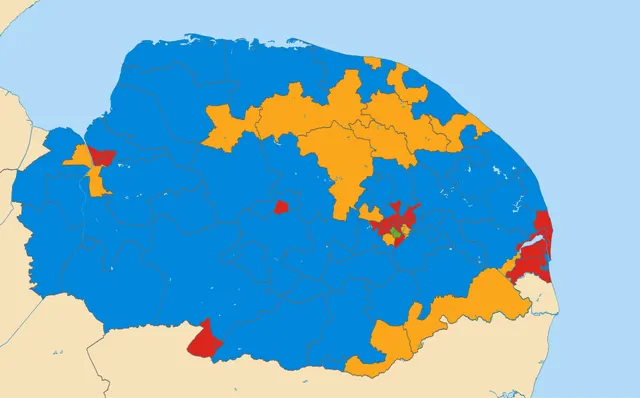
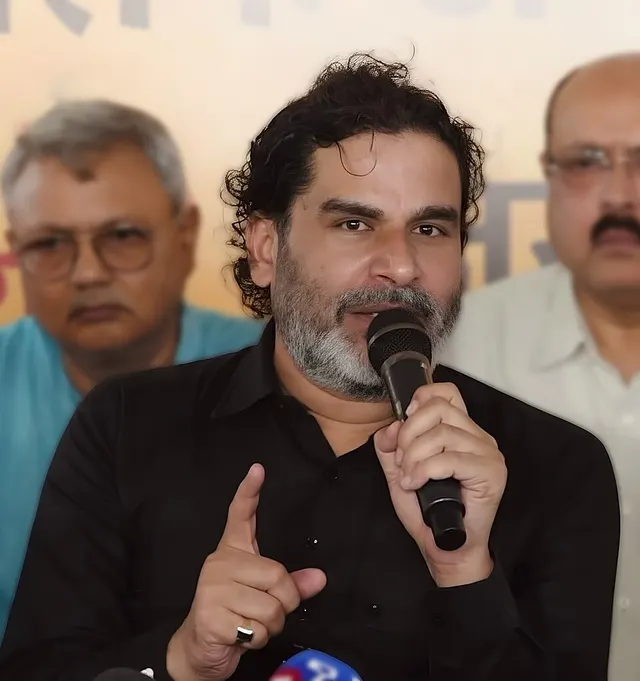
2005 Norfolk County Council election. 2005 Norfolk County Council election 87 · Prashant Kishor 72 · Fibonacci 67 · Leek 64 ATK in WikiCards.
In a duel, each round asks a question like these about the opposing card, with 15 seconds to answer.
The facts on the card
The card carries these facts from its Wikipedia article.
- The name he is commonly called, Fibonacci, is first found in a modern source in a 1838 text by the Franco-Italian mathematician Guglielmo Libri and is short for filius Bonacci.
- However, even as early as 1506, Perizolo, a notary of the Holy Roman Empire, mentions him as "Lionardo Fibonacci".
- Fibonacci popularized the Indo–Arabic numeral system in the Western world primarily through his composition in 1202 of Liber Abaci and also introduced Europe to the sequence of Fibonacci numbers, which he used as an example in Liber Abaci.
Why it is Rare
Rarity in WikiCards follows a year of Wikipedia page views: the most read articles become Epic and Legendary cards. The Fibonacci article was read about 240,000 times in a year. ATK comes from the length of the article and DEF from its quality, so this card hits with 67 and blocks with 61: each hit it takes is cut by 24 %.
How to get Fibonacci
Open packs. Each pack holds five cards drawn from real Wikipedia articles, the rarest last, and the fifth card is always Rare or better. The odds are shown in the game. A free pack arrives every hour and two can wait, and the Coins you win in duels buy more packs.
More History cards


Cards close in power
The cards just above and just below Fibonacci in the power ranking, all domains together.
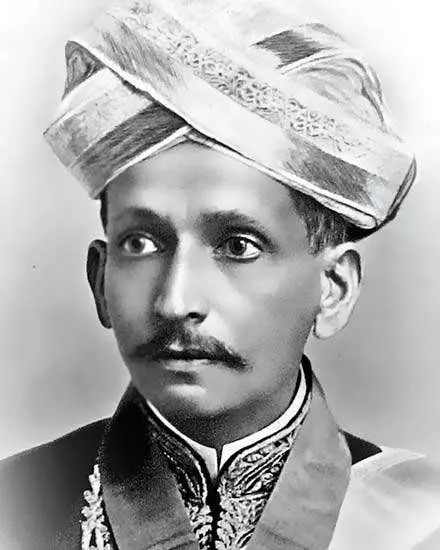
- Confidence intervalRare · Science · ATK 71 DEF 57
- The Night WatchRare · Arts · ATK 71 DEF 57
- CappuccinoRare · Society · ATK 70 DEF 58
- LeekRare · Nature · ATK 64 DEF 64
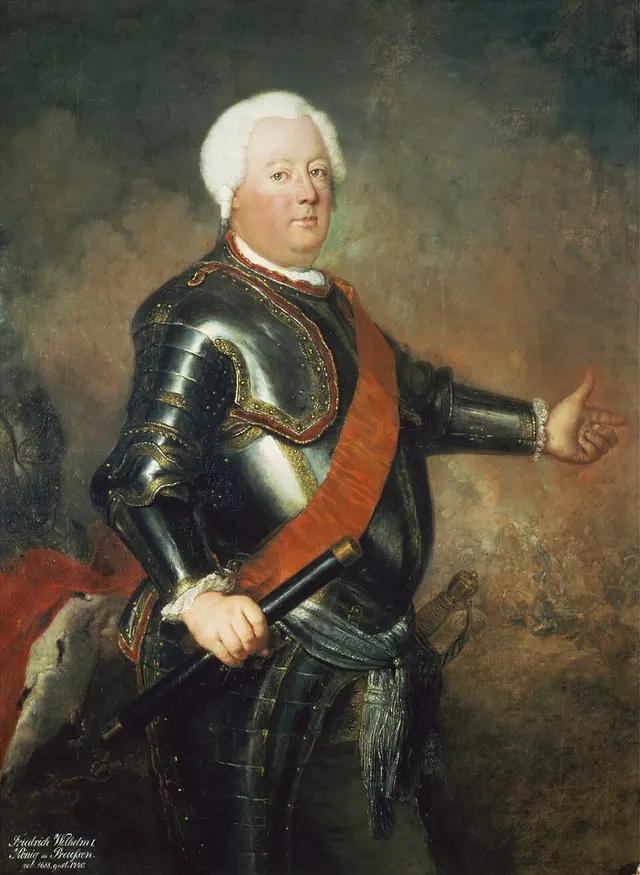
- Frederick William I of PrussiaRare · History · ATK 70 DEF 58
- Charles the FatRare · History · ATK 69 DEF 59
Card lists
- Wikipedia quizNew questions every day
- All cards from A to ZEvery card, by name
- History cards
- Legendary cards
- Tier listS and A tiers by power (ATK + DEF)
Credits
Text : Wikipedia, Fibonacci (revision), CC BY-SA 4.0. Photo : Taty2007, CC BY-SA 4.0, Wikimedia Commons.
