
 WikiCards
 Play on iPhone nowFree in Safari. Add it to your Home Screen.Play
WikiCards · Card list · History cards · Edward Abbey
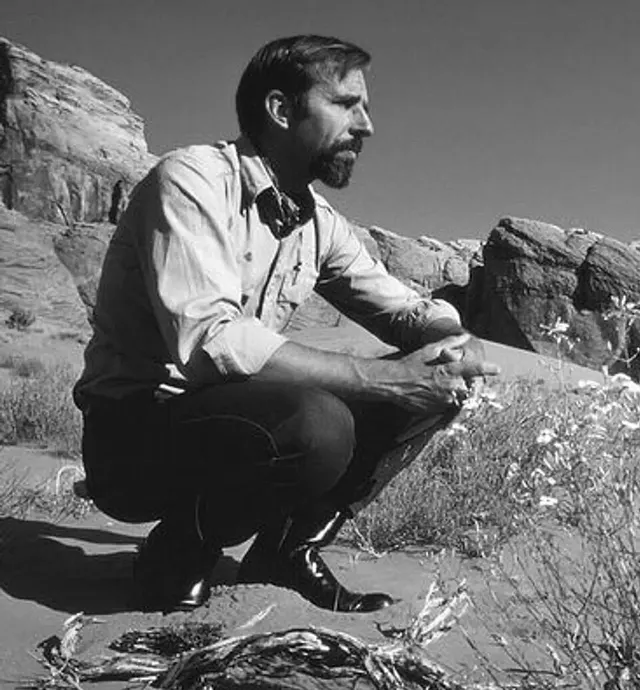
Uncommon card · History
Edward Abbey, an Uncommon card
Edward Paul Abbey was an American author and essayist noted for his advocacy of environmental issues, criticism of public land policies, and anarchist political views.
- Rarity
- Uncommon
- Domain
- History
- ATK
- 74
- DEF
- 73
- Power
- 147
- Wikipedia reads a year
- 110,000
Power 147 (ATK + DEF): stronger than 75 % of WikiCards cards.
The facts on the card
The card carries these facts from its Wikipedia article.
- His best-known works include the novel The Monkey Wrench Gang, which has been cited as an inspiration by radical environmental groups, and the non-fiction work Desert Solitaire.
Why it is Uncommon
Rarity in WikiCards follows a year of Wikipedia page views: the most read articles become Epic and Legendary cards. The Edward Abbey article was read about 110,000 times in a year. ATK comes from the length of the article and DEF from its quality, so this card hits with 74 and blocks with 73: each hit it takes is cut by 29 %.
How to get Edward Abbey
Open packs. Each pack holds five cards drawn from real Wikipedia articles, the rarest last, and the fifth card is always Rare or better. The odds are shown in the game. A free pack arrives every hour and two can wait, and the Coins you win in duels buy more packs.
More History cards





Cards close in power
The cards just above and just below Edward Abbey in the power ranking, all domains together.
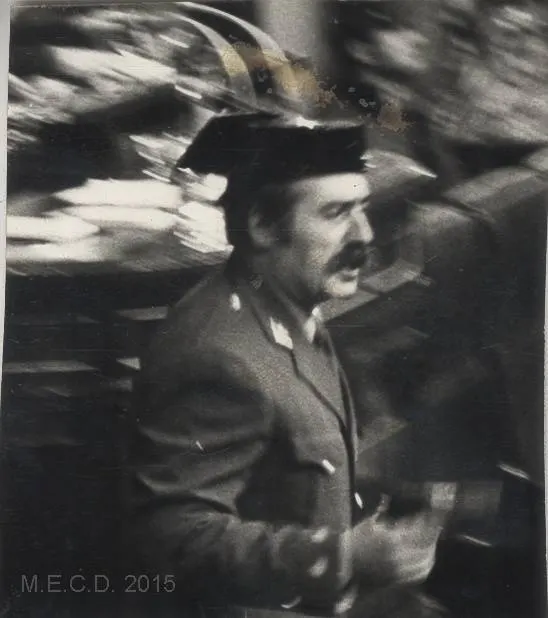
- 1981 Spanish coup attemptUncommon · History · ATK 76 DEF 71
- Bridget of SwedenUncommon · History · ATK 73 DEF 74
- Catfish HunterUncommon · Society · ATK 71 DEF 76
- Fine artUncommon · Arts · ATK 75 DEF 72
- Hyperbolic geometryUncommon · Science · ATK 78 DEF 69
- Lupang HinirangUncommon · Arts · ATK 74 DEF 73
Card lists
- Wikipedia quizNew questions every day
- All cards from A to ZEvery card, by name
- History cards
- Legendary cards
- Tier listS and A tiers by power (ATK + DEF)
Credits
Text : Wikipedia, Edward Abbey (revision), CC BY-SA 4.0. Photo : Jacket Photo by Phillip Harrington, Public domain, Wikimedia Commons.
