
 WikiCards
 Play on iPhone nowFree in Safari. Add it to your Home Screen.Play
WikiCards · Card list · History cards · Craterus
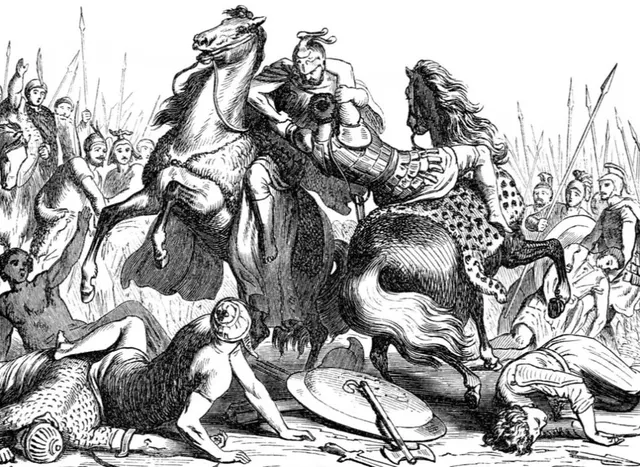
Uncommon card · History
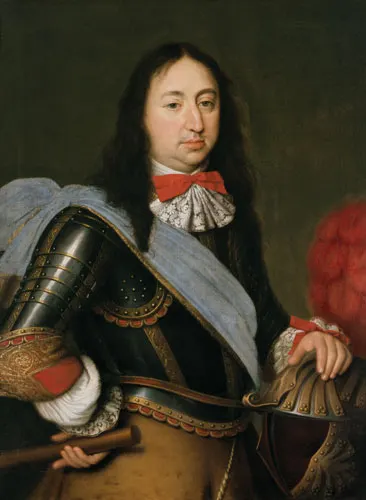
Craterus, an Uncommon card
Craterus, also spelled Krateros, was a Macedonian general under Alexander the Great and one of the Diadochi.
- Rarity
- Uncommon
- Domain
- History
- ATK
- 50
- DEF
- 28
- Power
- 78
- Wikipedia reads a year
- 29,000
Power 78 (ATK + DEF): stronger than 20 % of WikiCards cards.
The facts on the card
The card carries these facts from its Wikipedia article.
- Throughout his life, he was a loyal supporter of Alexander the Great.
- Craterus was the son of a Macedonian nobleman named Alexander from Orestis and brother of admiral Amphoterus.
- Craterus commanded the phalanx and all infantry on the left wing in Battle of Issus in 333 BC.
Why it is Uncommon
Rarity in WikiCards follows a year of Wikipedia page views: the most read articles become Epic and Legendary cards. The Craterus article was read about 29,000 times in a year. ATK comes from the length of the article and DEF from its quality, so this card hits with 50 and blocks with 28: each hit it takes is cut by 11 %.
How to get Craterus
Open packs. Each pack holds five cards drawn from real Wikipedia articles, the rarest last, and the fifth card is always Rare or better. The odds are shown in the game. A free pack arrives every hour and two can wait, and the Coins you win in duels buy more packs.
More History cards


Cards close in power
The cards just above and just below Craterus in the power ranking, all domains together.
- Pedro WinterUncommon · Arts · ATK 54 DEF 24
- Canon EOS-1D X Mark IIIUncommon · Society · ATK 52 DEF 26
- Caribbean cuisineUncommon · Society · ATK 50 DEF 28
- Applied artsUncommon · Science · ATK 47 DEF 31
- GrenadiersUncommon · Nature · ATK 53 DEF 25
- Hi-Point C-9Uncommon · History · ATK 51 DEF 27
Card lists
- Wikipedia quizNew questions every day
- All cards from A to ZEvery card, by name
- History cards
- Legendary cards
- Tier listS and A tiers by power (ATK + DEF)
Credits
Text : Wikipedia, Craterus (revision), CC BY-SA 4.0. Photo : Unknown, likely by or after Heinrich Leutemann, published 1878, Public domain, Wikimedia Commons.
