
 WikiCards
 Play on iPhone nowFree in Safari. Add it to your Home Screen.Play
WikiCards · Card list · Arts cards · Charles Avison
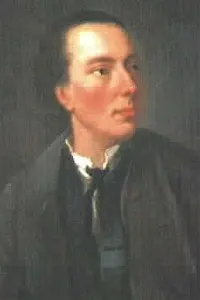
Common card · Arts
Charles Avison, a Common card
Charles Avison was an English composer during the Baroque and Classical periods.
- Rarity
- Common
- Domain
- Arts
- ATK
- 65
- DEF
- 51
- Power
- 116
- Wikipedia reads a year
- 7,000
Power 116 (ATK + DEF): stronger than 55 % of WikiCards cards.
The facts on the card
The card carries these facts from its Wikipedia article.
- He was a church organist at St John The Baptist Church in Newcastle and at St Nicholas's Church.
- He is most known for his 12 Concerti Grossi after Scarlatti and his Essay on Musical Expression, the first music criticism published in English.
- He composed in a transitional style that alternated between Baroque and Classical idioms.
Why it is Common
Rarity in WikiCards follows a year of Wikipedia page views: the most read articles become Epic and Legendary cards. The Charles Avison article was read about 7,000 times in a year. ATK comes from the length of the article and DEF from its quality, so this card hits with 65 and blocks with 51: each hit it takes is cut by 20 %.
How to get Charles Avison
Open packs. Each pack holds five cards drawn from real Wikipedia articles, the rarest last, and the fifth card is always Rare or better. The odds are shown in the game. A free pack arrives every hour and two can wait, and the Coins you win in duels buy more packs.
More Arts cards


Cards close in power
The cards just above and just below Charles Avison in the power ranking, all domains together.
- Al-ZarqaliCommon · Science · ATK 63 DEF 53
- Maoist Communist Party of ManipurCommon · History · ATK 61 DEF 55
- Charles NicolleCommon · Science · ATK 59 DEF 57
- Chris ZebroskiCommon · Society · ATK 67 DEF 49
- ErziCommon · Society · ATK 63 DEF 53
- Lake BemidjiCommon · Nature · ATK 59 DEF 57
Card lists
- Wikipedia quizNew questions every day
- All cards from A to ZEvery card, by name
- Arts cards
- Legendary cards
- Tier listS and A tiers by power (ATK + DEF)
Credits
Text : Wikipedia, Charles Avison (revision), CC BY-SA 4.0. Photo : attributed to Francis Lindo (1714-1767), Public domain, Wikimedia Commons.
