
 WikiCards
 Play on iPhone nowFree in Safari. Add it to your Home Screen.Play
WikiCards · Card list · Science cards · Positive psychology
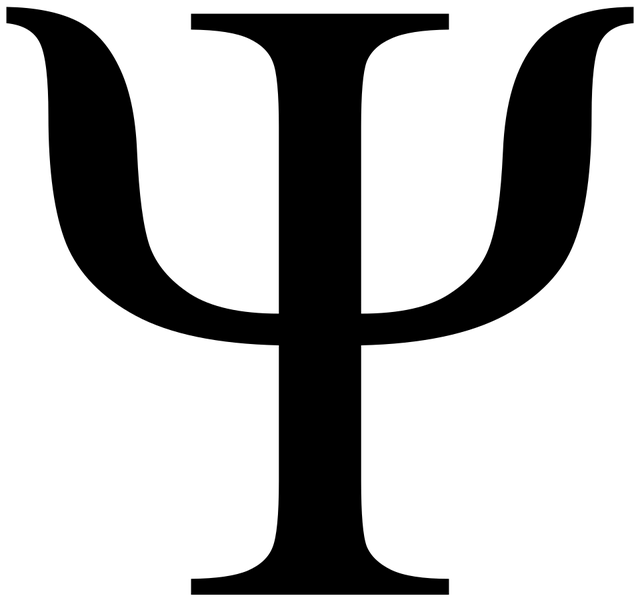
Uncommon card · Science
Positive psychology, an Uncommon card
Positive psychology is the scientific study of conditions and processes that contribute to positive psychological states, well-being, positive relationships, and positive institutions.
- Rarity
- Uncommon
- Domain
- Science
- ATK
- 88
- DEF
- 89
- Power
- 177
- Wikipedia reads a year
- 84,000
Power 177 (ATK + DEF): stronger than 90 % of WikiCards cards.
Positive psychology quiz: 3 questions
Three questions on the Positive psychology card, the way WikiCards duels ask them. Pick an answer, the facts are just below.
Find the missing word
It is a ______ against past practices that tended to focus on mental illness and emphasized maladaptive behavior and negative thinking.
Answer
reaction. It is a reaction against past practices that tended to focus on mental illness and emphasized maladaptive behavior and negative thinking. From the Positive psychology article on Wikipedia.
In which decade?
Positive psychology began as a new domain of psychology in ____ when Martin Seligman chose it as the theme for his term as president of the American Psychological Association.
Answer
1990s. Positive psychology began as a new domain of psychology in 1998 when Martin Seligman chose it as the theme for his term as president of the American Psychological Association. From the Positive psychology article on Wikipedia.
Which of these cards hits hardest (highest ATK)?
Answer
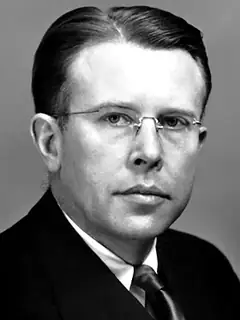
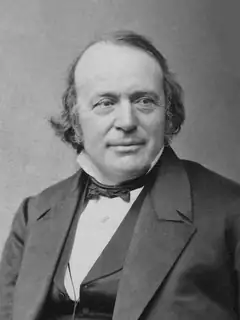
Positive psychology. Positive psychology 88 · Meteorology 85 · Louis Agassiz 82 · Ernest Lawrence 79 ATK in WikiCards.
In a duel, each round asks a question like these about the opposing card, with 15 seconds to answer.
The facts on the card
The card carries these facts from its Wikipedia article.
- Positive psychology began as a new domain of psychology in 1998 when Martin Seligman chose it as the theme for his term as president of the American Psychological Association.
- It is a reaction against past practices that tended to focus on mental illness and emphasized maladaptive behavior and negative thinking.
- It builds on the humanistic movement of Abraham Maslow and Carl Rogers, which encourages an emphasis on happiness, well-being, and purpose.
Why it is Uncommon
Rarity in WikiCards follows a year of Wikipedia page views: the most read articles become Epic and Legendary cards. The Positive psychology article was read about 84,000 times in a year. ATK comes from the length of the article and DEF from its quality, so this card hits with 88 and blocks with 89: each hit it takes is cut by 36 %.
How to get Positive psychology
Open packs. Each pack holds five cards drawn from real Wikipedia articles, the rarest last, and the fifth card is always Rare or better. The odds are shown in the game. A free pack arrives every hour and two can wait, and the Coins you win in duels buy more packs.
More Science cards






Cards close in power
The cards just above and just below Positive psychology in the power ranking, all domains together.
- Chandragupta IIUncommon · History · ATK 77 DEF 100
- Bahmani KingdomUncommon · History · ATK 77 DEF 100
- Eduard BernsteinUncommon · History · ATK 77 DEF 100
- PalembangUncommon · Society · ATK 85 DEF 92
- SeabirdUncommon · Nature · ATK 83 DEF 94
- Dominican AmericansUncommon · Society · ATK 82 DEF 95
Card lists
- Wikipedia quizNew questions every day
- All cards from A to ZEvery card, by name
- Science cards
- Legendary cards
- Tier listS and A tiers by power (ATK + DEF)
Credits
Text : Wikipedia, Positive psychology (revision), CC BY-SA 4.0. Photo : Mrmw, Public domain, Wikimedia Commons.
