
 WikiCards
 Play on iPhone nowFree in Safari. Add it to your Home Screen.Play
WikiCards · Card list · Science cards · Manganese germanide
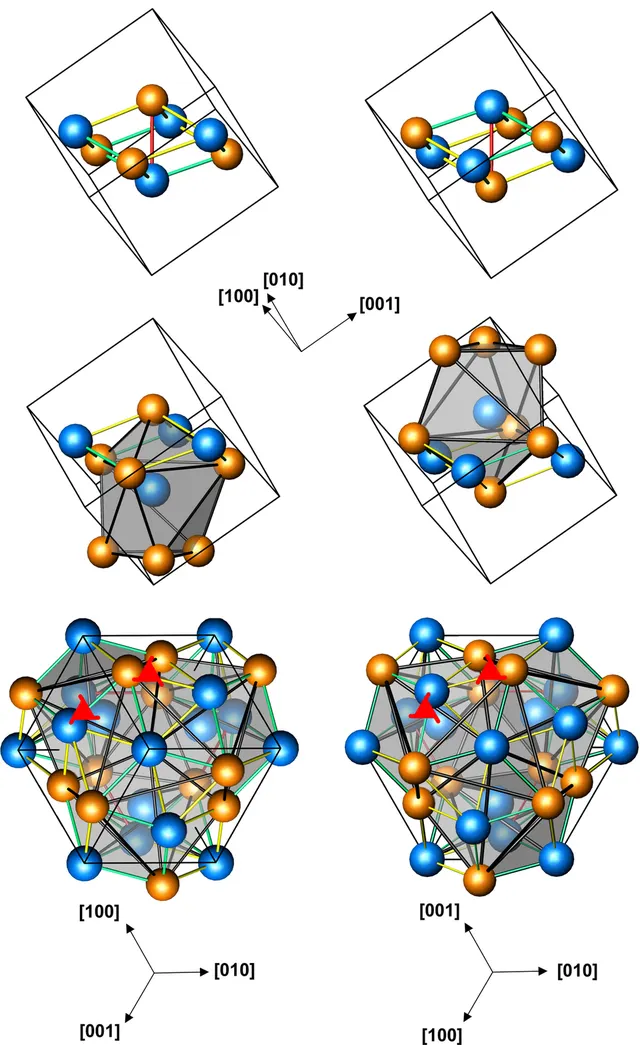
Common card · Science
Manganese germanide, a Common card
Manganese germanide is an intermetallic compound, a germanide of manganese.
- Rarity
- Common
- Domain
- Science
- ATK
- 44
- DEF
- 26
- Power
- 70
- Wikipedia reads a year
- 460
Power 70 (ATK + DEF): stronger than 25 % of WikiCards cards.
The facts on the card
The card carries these facts from its Wikipedia article.
- Its crystals have a cubic symmetry with no inversion center, they are therefore helical, with right-hand and left-handed chiralities.
Why it is Common
Rarity in WikiCards follows a year of Wikipedia page views: the most read articles become Epic and Legendary cards. The Manganese germanide article was read about 460 times in a year. ATK comes from the length of the article and DEF from its quality, so this card hits with 44 and blocks with 26: each hit it takes is cut by 10 %.
How to get Manganese germanide
Open packs. Each pack holds five cards drawn from real Wikipedia articles, the rarest last, and the fifth card is always Rare or better. The odds are shown in the game. A free pack arrives every hour and two can wait, and the Coins you win in duels buy more packs.
More Science cards



Cards close in power
The cards just above and just below Manganese germanide in the power ranking, all domains together.
- Tomo JančikovićCommon · History · ATK 53 DEF 17
- AdainvilleCommon · Society · ATK 35 DEF 35
- Anders HovdenCommon · Arts · ATK 46 DEF 24
- Zharkain DistrictCommon · Society · ATK 46 DEF 24
- Amorpha ouachitensisCommon · Nature · ATK 39 DEF 31
- Nicholas EveleighCommon · History · ATK 46 DEF 24
Card lists
- All cards from A to ZEvery card, by name
- Nature cards600 cards
- Science cards600 cards
- History cards599 cards
- Arts cards600 cards
- Society cards600 cards
- Tier listS and A tiers by power (ATK + DEF)
- Legendary cards166 cards
- Epic cards273 cards
- Strongest cardsTop 100 by attack
Credits
Text : Wikipedia, Manganese germanide (revision), CC BY-SA 4.0. Photo : Ulrich Bulkhardt et al., CC BY 4.0, Wikimedia Commons.
