
 WikiCards
 Play on iPhone nowFree in Safari. Add it to your Home Screen.Play
WikiCards · Card list · Arts cards · Byzantine music
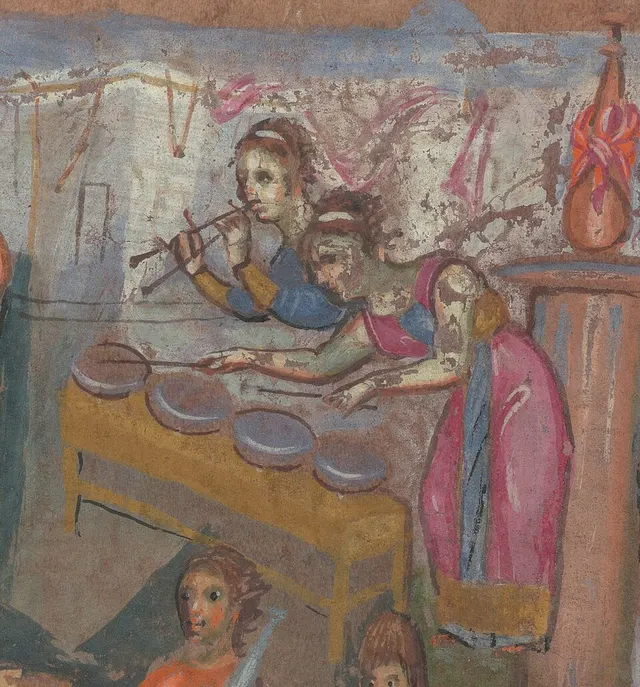
Uncommon card · Arts
Byzantine music, an Uncommon card
Byzantine music originally consisted of the songs and hymns composed for the courtly and religious ceremonial of the Byzantine Empire and continued, after the fall of Constantinople in 1453, in the traditions of the sung Byzantine chant of Eastern Orthodox liturgy.
- Rarity
- Uncommon
- Domain
- Arts
- ATK
- 94
- DEF
- 81
- Power
- 175
- Wikipedia reads a year
- 30,000
Power 175 (ATK + DEF): stronger than 90 % of WikiCards cards.
Byzantine music quiz: 3 questions
Three questions on the Byzantine music card, the way WikiCards duels ask them. Pick an answer, the facts are just below.
Find the missing word
Byzantine music did not disappear after the fall of ______.
Answer
Constantinople. Byzantine music did not disappear after the fall of Constantinople. From the Byzantine music article on Wikipedia.
In which decade?
Its traditions continued under the Patriarch of Constantinople, who after the Ottoman conquest in ____ was granted administrative responsibilities over all Eastern Orthodox Christians in the Ottoman Empire.
Answer
1450s. Its traditions continued under the Patriarch of Constantinople, who after the Ottoman conquest in 1453 was granted administrative responsibilities over all Eastern Orthodox Christians in the Ottoman Empire. From the Byzantine music article on Wikipedia.
Which of these cards hits hardest (highest ATK)?
Answer
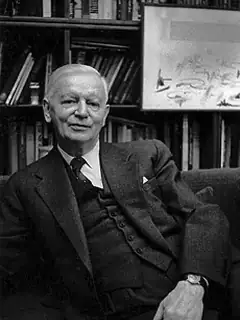
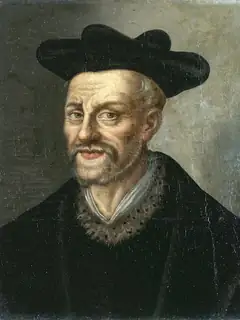
Byzantine music. Byzantine music 94 · Jake Gyllenhaal 86 · J. M. Coetzee 81 · François Rabelais 78 ATK in WikiCards.
In a duel, each round asks a question like these about the opposing card, with 15 seconds to answer.
The facts on the card
The card carries these facts from its Wikipedia article.
- The ecclesiastical forms of Byzantine music are the best known forms today, because different Orthodox traditions still identify with the heritage of Byzantine music, when their cantors sing monodic chant out of the traditional chant books such as the Sticherarion and the Irmologion.
- Byzantine music did not disappear after the fall of Constantinople.
- Its traditions continued under the Patriarch of Constantinople, who after the Ottoman conquest in 1453 was granted administrative responsibilities over all Eastern Orthodox Christians in the Ottoman Empire.
Why it is Uncommon
Rarity in WikiCards follows a year of Wikipedia page views: the most read articles become Epic and Legendary cards. The Byzantine music article was read about 30,000 times in a year. ATK comes from the length of the article and DEF from its quality, so this card hits with 94 and blocks with 81: each hit it takes is cut by 32 %.
How to get Byzantine music
Open packs. Each pack holds five cards drawn from real Wikipedia articles, the rarest last, and the fifth card is always Rare or better. The odds are shown in the game. A free pack arrives every hour and two can wait, and the Coins you win in duels buy more packs.
More Arts cards





Cards close in power
The cards just above and just below Byzantine music in the power ranking, all domains together.
- History of spaceflightUncommon · Science · ATK 83 DEF 92
- Luigi Di MaioUncommon · History · ATK 80 DEF 95
- History of sociologyUncommon · History · ATK 85 DEF 90
- BanjarmasinUncommon · Society · ATK 82 DEF 93
- Carbon emission tradingUncommon · Society · ATK 83 DEF 92
- 2011 Liberian general electionCommon · Society · ATK 86 DEF 89
Card lists
- Wikipedia quizNew questions every day
- All cards from A to ZEvery card, by name
- Arts cards
- Legendary cards
- Tier listS and A tiers by power (ATK + DEF)
Credits
Text : Wikipedia, Byzantine music (revision), CC BY-SA 4.0. Photo : unknown artist, circa 500-599 A.D.,, Public domain, Wikimedia Commons.
