
 WikiCards
 Play on iPhone nowFree in Safari. Add it to your Home Screen.Play
WikiCards · Card list · Nature cards · Beauty and the Beast
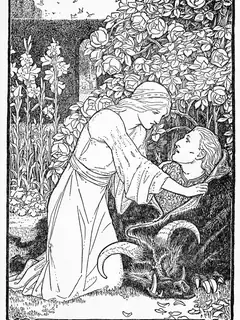
Rare card · Nature
Beauty and the Beast, a Rare card
"Beauty and the Beast" is a fairy tale written by the French novelist Gabrielle-Suzanne Barbot de Villeneuve and published anonymously in 1740 in La Jeune Américaine et les contes marins.
- Rarity
- Rare
- Domain
- Nature
- ATK
- 83
- DEF
- 77
- Power
- 160
- Wikipedia reads a year
- 310,000
Ranked #1,737 of the 3,000 cards of the base set by power (ATK + DEF).
Beauty and the Beast quiz: 3 questions
Three questions on the Beauty and the Beast card, the way WikiCards duels ask them. Pick an answer, the facts are just below.
Find the missing word
Later, Andrew Lang retold the story in Blue Fairy Book, a part of the Fairy Book ______, in 1889.
Answer
series. Later, Andrew Lang retold the story in Blue Fairy Book, a part of the Fairy Book series, in 1889. From the Beauty and the Beast article on Wikipedia.
In which decade?
"Beauty and the Beast" is a fairy tale written by the French novelist Gabrielle-Suzanne Barbot de Villeneuve and published anonymously in ____ in La Jeune Américaine et les contes marins.
Answer
1740s. "Beauty and the Beast" is a fairy tale written by the French novelist Gabrielle-Suzanne Barbot de Villeneuve and published anonymously in 1740 in La Jeune Américaine et les contes marins. From the Beauty and the Beast article on Wikipedia.
Which of these cards hits hardest (highest ATK)?
Answer
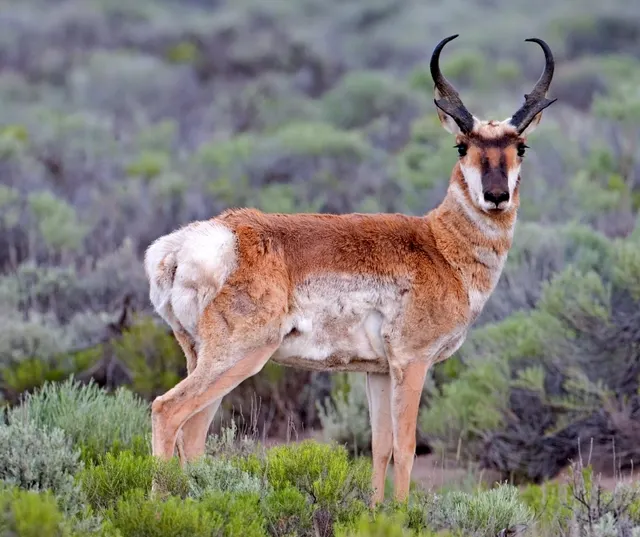
List of countries by tax rates. List of countries by tax rates 91 · Beauty and the Beast 83 · Monotreme 76 · Pronghorn 73 ATK in WikiCards.
In a duel, each round asks a question like these about the opposing card, with 15 seconds to answer.
The facts on the card
The card carries these facts from its Wikipedia article.
- Villeneuve's original story was abridged, revised, and published by French novelist Jeanne-Marie Leprince de Beaumont in 1756 in Magasin des enfants which became the most commonly retold version.
- Later, Andrew Lang retold the story in Blue Fairy Book, a part of the Fairy Book series, in 1889.
- The fairy-tale was influenced by the story of Petrus Gonsalvus as well as Ancient Latin stories such as "Cupid and Psyche" from The Golden Ass, written by Lucius Apuleius Madaurensis in the second century AD, and "The Pig King", an Italian fairy-tale published by Giovanni Francesco Straparola in The Facetious Nights of Straparola around 1550.
Why it is Rare
Rarity in WikiCards follows a year of Wikipedia page views: the most read articles become Epic and Legendary cards. The Beauty and the Beast article was read about 310,000 times in a year. ATK comes from the length of the article and DEF from its quality, so this card hits with 83 and blocks with 77: each hit it takes is cut by 31 %.
How to get Beauty and the Beast
Open packs. Each pack holds five cards drawn from real Wikipedia articles, the rarest last, and the fifth card is always Rare or better. The odds are shown in the game. A free pack arrives every hour and two can wait, and the Coins you win in duels buy more packs.
More Nature cards
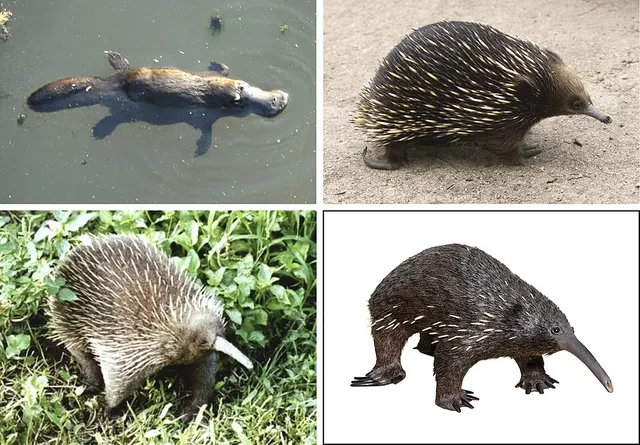
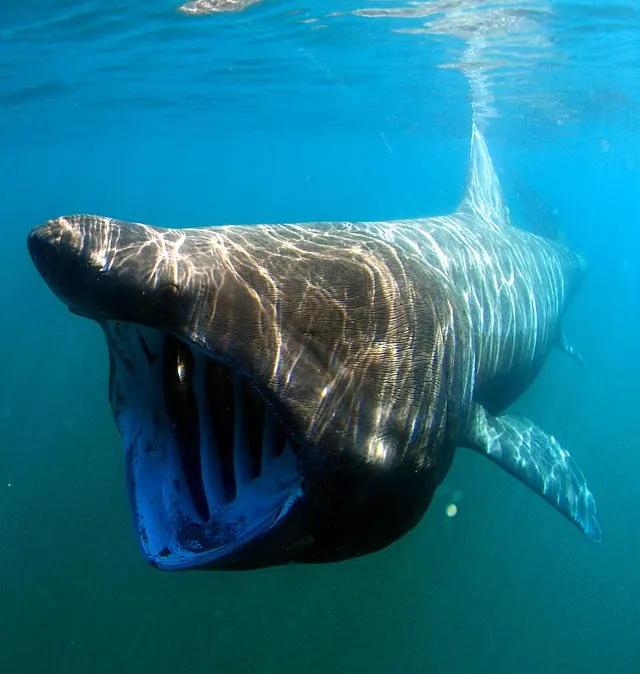
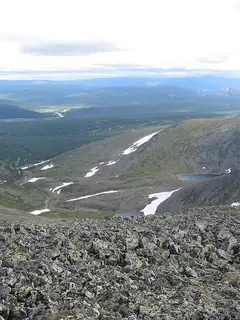
Cards close in power
The cards just above and just below Beauty and the Beast in the power ranking, all domains together.
- Oslo AccordsRare · History · ATK 82 DEF 78
- Ural MountainsRare · Nature · ATK 75 DEF 85
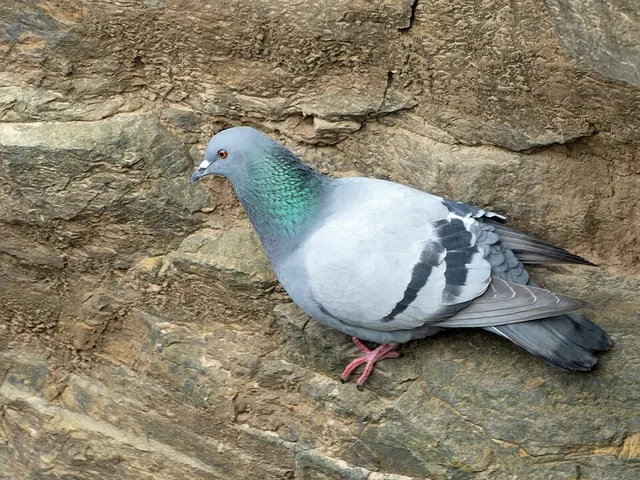
- Rock doveRare · Nature · ATK 74 DEF 86
- List of countries by tax ratesRare · Society · ATK 91 DEF 69
- Rainer Maria RilkeRare · Arts · ATK 75 DEF 85
- SahelRare · Society · ATK 77 DEF 83
Card lists
- Wikipedia quizNew questions every day
- All cards from A to ZEvery card, by name
- Nature cards
- Legendary cards
- Tier listS and A tiers by power (ATK + DEF)
Credits
Text : Wikipedia, Beauty and the Beast (revision), CC BY-SA 4.0. Photo : John D. Batten, Public domain, Wikimedia Commons.
